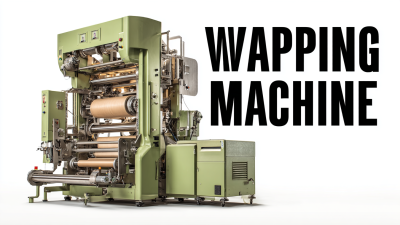
How to Choose an Overwrapping Machine?
Choosing an Overwrapping Machine is not simply a matter of comparing prices or production speeds. The right decision depends on product shape, film type, package dimensions, and daily workload. A small carton may need gentle handling, while a rigid box may require stronger folding pressure. These details affect sealing quality, waste, and long-term maintenance.
Experienced packaging teams usually begin with real production data. Measure the product carefully, including its length, width, height, and weight. Record target output, film thickness, roll diameter, and acceptable changeover time. Ask suppliers for machine trials using your actual products. A brochure cannot reveal every problem. Wrinkles may appear only at high speed. Film may tear during repeated starts and stops.
Look closely at sealing temperature control, folding accuracy, servo performance, safety features, and access to spare parts. The machine should match your operators’ skills, factory space, and cleaning routine. Reliable manufacturers should provide technical drawings, training, service terms, and documented performance limits. Check whether the equipment supports your required packaging materials and applicable quality requirements.
No machine fits every line.
Cost matters, but unstable wrapping can cost more through rejected packs and downtime. Consider energy use, tooling changes, maintenance intervals, and future capacity. It is also wise to question optimistic supplier claims. A slower machine with consistent seals may outperform a faster model in daily operation. Choosing carefully creates a more dependable packaging process, even when the final decision involves compromises.
Understanding What an Overwrapping Machine Does
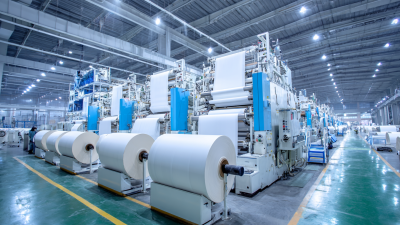
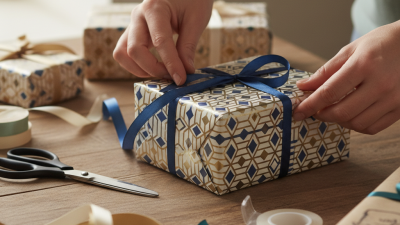
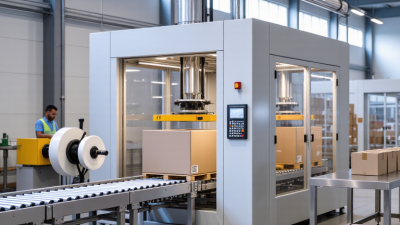
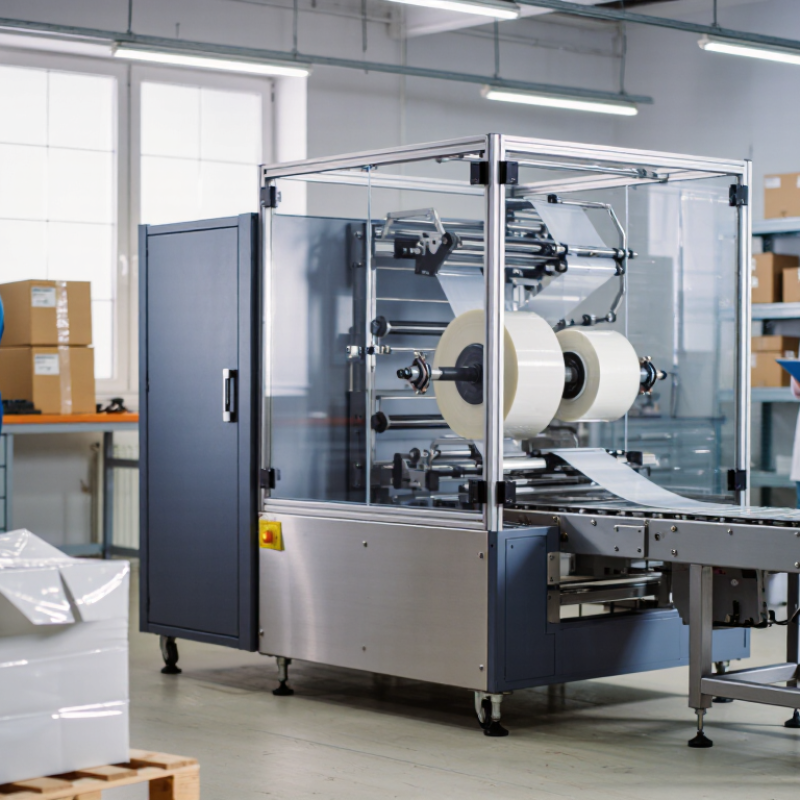
An overwrapping machine wraps products in a tight protective film, usually from a continuous roll. It folds the film around the product, seals the edges, and cuts each finished pack. The machine may also create neat corner folds, similar to those on a wrapped gift. In a production area, conveyors guide products through each stage. Sensors check position, while heated sealing parts close the film securely.
The machine does more than improve appearance. It helps protect products from dust, light moisture, handling marks, and loose packaging. This matters for cartons, trays, books, household goods, and other stable items. Film tension must match the product. Too much tension can crush soft boxes. Too little tension creates wrinkles and weak seals. That detail matters. Small errors spread.
When choosing an overwrapping machine, measure product length, width, height, and weight carefully. Include the smallest and largest product sizes. Consider required output, film type, sealing temperature, and available floor space. In practical trials, unusual shapes often reveal problems that standard samples hide. A machine may run quickly, yet struggle with slippery film or uneven cartons. Operators also need clear controls, safe access, and simple cleaning points. Maintenance records should be easy to understand. I have found that a beautiful package is not enough if changeovers take too long. A short trial with real products can expose wasted film, crooked folds, and inconsistent seals before installation.
Comparing Machine Types and Operating Methods
Choosing an overwrapping machine starts with the product, not the equipment catalogue.
A small, stable item may suit an L-sealer with a shrink tunnel. It wraps batches economically and needs limited operator training. Irregular products often require a side-seal machine. Its continuous film feed handles changing lengths more smoothly. For high-volume lines, fully automatic systems reduce manual loading and maintain steady spacing. However, they need accurate product positioning and regular maintenance.
Operating method changes the real cost.
Manual machines offer flexibility for short runs, seasonal products, and frequent size changes. Semi-automatic models add controlled sealing while allowing an operator to place products by hand. Fully automatic machines connect feeding, wrapping, sealing, and discharge. This saves labor, but setup errors can multiply quickly.
A five-minute alignment problem may affect hundreds of packs.
Film type, seal temperature, and tunnel airflow deserve practical testing.
A clear film may reveal wrinkles that look minor but weaken presentation. Watch the seal. It should be closed, even, and free from burned edges. Product heat sensitivity also matters; excessive tunnel temperature can distort corners or damage labels. In a line trial, record cycle time, film waste, changeover time, and rejected packs.
Speed is not everything.
I have seen fast equipment lose its advantage after frequent adjustments. The best choice may be the less impressive machine, especially when operators need simple controls and accessible cleaning points. Even careful evaluations can miss seasonal humidity or film variation, so leave room for another test.
Evaluating Speed, Size, Automation, and Flexibility
How to Choose an Overwrapping Machine?
Evaluating Speed, Size, Automation, and Flexibility
Speed should match your production rhythm, not impress you on paper. A machine rated at 120 packs per minute may slow down during film changes, rejects, or product adjustments. Check sustained output, changeover time, and overall equipment effectiveness. PMMI’s 2024 packaging machinery trends report identifies labor shortages and automation as major investment drivers. However, automation only helps when operators can understand the controls quickly. The best interface is rarely the most complicated one.
Size also affects daily performance. Measure product length, width, height, film roll diameter, and available floor space. Leave room for maintenance access. International Federation of Robotics data reported 541,302 industrial robot installations worldwide in 2023, showing continued investment in automation. Still, a fully automated line can become expensive and rigid. Consider automatic film splicing, recipe storage, and fault alerts before adding complex robotics. Flexibility matters when products vary by size or packaging material. A compact machine with adjustable guides may outperform a larger system during frequent changeovers. I have seen impressive machines underperform because their changeover tools were awkward.
Tips: Ask for a factory trial using your real products and film. Record output after one hour, not only the first ten minutes. Test three package sizes and measure changeover time. Request maintenance intervals, spare-part availability, training details, and verified energy data. Leave a small capacity margin, but do not pay for speed your operation cannot feed.
How to Choose an Overwrapping Machine?
Evaluating speed, size, automation, and flexibility
How to read the chart: Typical throughput ranges increase with automation level. Semi-automatic systems are suitable for lower volumes and frequent product changes, while continuous high-speed systems are designed for stable, large-scale production.
Size and layout: Compact semi-automatic lines commonly require about 3–6 m², standard automatic lines about 6–12 m², and high-speed lines about 10–20 m², excluding conveyors, feeding equipment, and operator access.
Flexibility and changeover: Typical changeover times range from 30–60 minutes for entry-level systems, 15–30 minutes for standard automatic systems, and 10–20 minutes for highly automated systems with recipe control and tool-less adjustments.