Call for Price: 0086-15515573212
Choosing a Box Wrapping machine is not just a question of price or advertised speed. The right system must suit the package, wrapping material, production volume, and available floor space. A compact unit beside a packing bench solves a different problem from an automated machine connected to a high-speed conveyor.
This guide to the Top 10 Box Wrapping Machine Manufacturers Worldwide introduces suppliers and the capabilities buyers may want to compare. These include machine formats, adjustment options, control systems, safety features, and support after installation. Small details matter. A sensor that detects uneven cartons, or a tension setting that prevents crushed corners, can affect daily output and packaging quality.
Manufacturer descriptions are useful, but they do not tell the whole story. Ask for current specifications, sample tests using your own boxes, and clear information about maintenance and spare parts. Confirm whether quoted speeds reflect real operating conditions, not ideal demonstrations. That distinction can be easy to miss.
The manufacturers featured should be viewed as a starting point for research, not a universal ranking. A supplier that fits a large distribution center may be unsuitable for a small workshop. Compare machine performance against your carton dimensions, labor setup, and growth plans. Also consider what happens when the machine stops. Service access can matter as much as headline speed.
There is no perfect choice for every operation. This overview aims to make comparisons more practical and help buyers ask better questions before requesting a quotation.
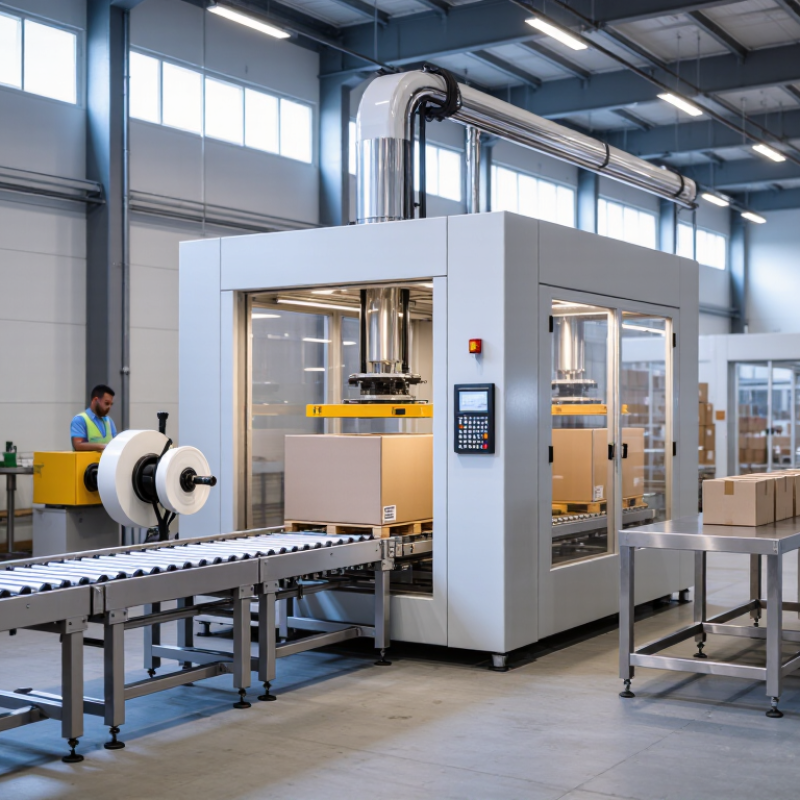
A box wrapping machine applies protective material around a carton to help guard it from dust, scuffs, and light handling damage. It is different from a case sealer, which closes the carton’s flaps. Depending on the design, the machine may use stretch film, shrink film, or another wrapping material. The right choice depends on the box, the product, and how it will be stored or shipped.
The process starts when an operator or conveyor feeds a box into the wrapping area. Guides and sensors help position it. A film carriage or rotating ring then moves around the carton, laying down overlapping layers. Some systems keep the box still; others move it through the wrapping zone. Film tension and overlap can be adjusted to suit box size and desired coverage. The machine may then cut and secure the film automatically, though smaller models can require manual steps.
Small details matter. Too much tension can crush soft cartons, while too little may leave loose film. A clean-looking wrap is not always a secure one, especially at the corners. Operators should check film edges, carton condition, and settings during changeovers. There is a learning curve. Even a well-adjusted machine may need retuning when box dimensions or materials change.
Evaluating box wrapping machine manufacturers starts with the job the machine must do. A supplier should explain how its equipment handles your box sizes, film types, and required line speed. Ask for a live trial using cartons similar to yours. Watch for loose film, crushed corners, and uneven overlap. Small defects matter.
Look beyond the quoted speed. Request verified output figures and ask what conditions were used to measure them. Check changeover time, film consumption, guarding, and access for routine cleaning. Clear manuals and operator training are practical signs of reliable support. Response times matter, too. Ask who handles troubleshooting and whether common wear parts are readily available. A polished brochure cannot answer every question.
Compare the same requirements across suppliers, and record the evidence behind each rating. A detailed test report is stronger than an unsupported performance claim. No scorecard is perfect. Production data may also differ from a short demonstration, so leave room for uncertainty. Before deciding, confirm that the proposed machine fits your floor layout, conveyor height, and maintenance skills. Those details are easy to overlook.
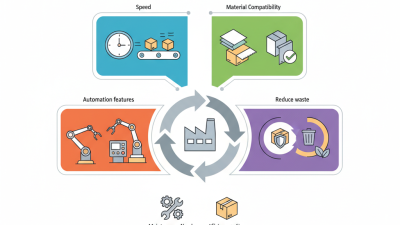
Illustrative procurement scorecard showing suggested evaluation weights, not audited market data. Buyers can adjust weights to match their packaging requirements.
Assess wrapping performance, package and line compatibility, uptime and serviceability, safety, controls integration, and total lifecycle cost. Validate supplier claims with application trials, technical documentation, and service references.
Top box wrapping machine manufacturers worldwide serve food, beverage, household goods, and e-commerce operations. Their machines secure cartons with stretch film or apply protective wrapping around packed boxes. Leading suppliers typically offer adjustable speed, reliable film control, safety guarding, and access to spare parts. Some build compact semi-automatic units; others design automated lines that connect with conveyors and case packers. There is no single ranking that fits every factory. Production volume, carton size, and local service access can change which supplier is the better choice.
A capable manufacturer should explain tested operating limits, installation needs, and routine maintenance clearly. Ask for a demonstration using cartons similar to yours. Watch how the machine handles uneven loads, film changes, and stop-start cycles. Request references from comparable facilities, and confirm response times for technical support. A polished brochure is useful, but it cannot reveal every production issue. Even good machines may need setup adjustments after installation.
Tips: Measure your largest and smallest cartons before requesting quotes. Compare film use, changeover time, and operator access, not just purchase price. Ask who stocks common wear parts nearby. Small details matter. Also check that quoted output reflects your actual carton mix; advertised speed may assume ideal conditions.
Box wrapping machines protect cartons during storage, handling, and shipment. Common systems use stretch film, shrink film, or paper, depending on the box and required finish. Servo-driven rollers regulate film feed, while tension controls help prevent loose edges or crushed corners. Photoelectric sensors detect carton position; programmable controls adjust wrapping cycles for different box sizes. Some lines add barcode readers or vision checks to catch misaligned labels and incomplete wraps.
Applications range from e-commerce cartons to appliance and food-product cases. PMMI’s 2024 State of the Industry report estimated U.S. packaging machinery shipments at about $10.9 billion in 2023, reflecting ongoing investment in automated packaging equipment. That figure covers packaging machinery broadly, not box wrappers alone. Still, it signals why manufacturers value machines that reduce manual handling and switch formats reliably. Automation is not magic. Poorly set film tension can waste material or damage cartons.
Tips: Test with your actual cartons, not just sample boxes. Check changeover time, film use per box, and access to sensors before purchase. Ask operators to run several sizes; a setting that works on one carton may drift on another. A little downtime during testing can reveal a lot.
Choosing a box wrapping machine manufacturer starts with the package, not the brochure. Record box dimensions, weight, material, and daily output before comparing suppliers. Ask whether the machine handles your smallest and largest cartons without frequent manual adjustment. A useful test uses your own boxes and wrapping material. Watch the film tension, corner coverage, and finished package, not just the machine speed. Small details matter.
Check how the manufacturer supports installation, operator training, spare parts, and maintenance. Ask for a written list of standard components and expected replacement intervals. If your facility is far from the factory, confirm response times and whether remote troubleshooting is available. Request references from businesses with similar packaging volumes. A polished demonstration is helpful, but it does not show how the machine performs over a full shift.
Compare the total cost, including setup, shipping, utilities, and routine servicing. Make sure the proposed machine fits your floor space and existing conveyor height. Ask what happens if actual carton sizes differ slightly from the test samples. No checklist catches every surprise; packaging materials change, and production needs can shift. A reliable manufacturer should explain limitations plainly, rather than promise that one machine suits every line.