Call for Price: 0086-15515573212
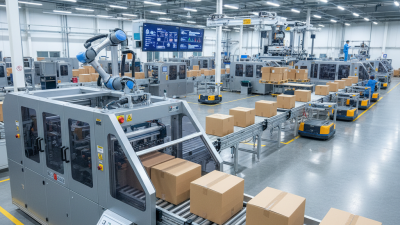
Choosing the right Box Machine in 2026 requires more than comparing speed, price, and promotional claims. The correct choice must match your products, materials, production volume, and available floor space. A compact carton line may suit a growing workshop, while a high-speed corrugated system may support large distribution orders. The wrong machine can create waste, frequent adjustments, and expensive production delays.
Begin with your real operating data. Record box dimensions, board thickness, daily output, changeover frequency, and acceptable waste levels. Include difficult jobs, not only standard cartons. Small details matter. A machine that handles 3,000 boxes daily may struggle when sizes change every hour. Check forming accuracy, glue performance, folding consistency, and operator access. These features directly influence product quality and workplace efficiency.
Reliable manufacturers should provide technical specifications, installation guidance, training, spare-parts support, and documented customer references. Ask for a production trial using your own board and box designs. Watch the machine during startup, changeover, cleaning, and fault recovery. A polished demonstration can hide practical weaknesses. I have seen buyers focus on maximum speed, then discover that maintenance access slows the entire line. That mistake deserves attention.
Automation, energy use, safety systems, software compatibility, and future expansion also affect total ownership cost. Verify service response times and warranty conditions before signing any agreement. Local regulations and workplace requirements must be reviewed by qualified professionals. The best Box Machine is not always the fastest or cheapest. It is the one that performs consistently, adapts to your workflow, and remains supportable as your business changes. Still, no checklist predicts every production problem. Careful testing remains essential.
Start with the box structure, not the machine brochure. A small folding carton may need accurate creasing and fast adhesive application. A corrugated shipping box may require forming, taping, printing, or robotic stacking. Measure board thickness, box dimensions, daily volume, and changeover frequency. A machine running quickly can still waste material if alignment is poor. That happens more often than expected.
I have found that sample testing reveals problems early. Run your actual board through the machine, then inspect folded corners, glue joints, compression, and surface marks. Check operator access, guarding, cleaning points, spare-part support, and control-system training. Digital monitoring can show downtime and production errors, but data is not automatically useful. Someone must review it. Leave room for future sizes, though excessive capacity can increase cost and maintenance. The best fit is rarely the fastest machine.
How to Choose the Right Box Machine in 2026?
How to Match Machine Types with Box Materials and Formats
Choosing a box machine starts with material behavior, not a machine’s advertised speed. Corrugated board needs stable feeding, accurate slotting, and enough compression control. Folding carton stock usually requires precise creasing, clean folding, and dependable glue application. Rigid board often needs forming equipment with careful corner control. Test the sheet first. Moisture, flute direction, coating, and stiffness can change machine performance.
The box format also determines the machine type. Standard slotted cartons may suit an integrated flexo folder-gluer line. Die-cut cartons need accurate cutting and folding alignment. Small folding cartons may require a folder-gluer with flexible setup controls. Rigid gift boxes typically need forming equipment, corner pasting, and controlled pressing. Small batches can benefit from quick-change tooling, even when the maximum speed is lower. Faster is not always better.
Request sample runs with your actual board, print coverage, dimensions, and adhesive. Measure setup time, feeding stability, fold accuracy, glue control, and material waste. A smooth demonstration can hide difficult changeovers. Watch operators during a full shift. They reveal jams. Keep records from different formats, including awkward sizes. A machine may handle today’s popular box but restrict tomorrow’s product range. That uncertainty deserves attention. Leave room for unusual materials, because real production rarely stays perfectly consistent.
| Machine Type | Best-Matched Box Materials | Typical Material Range | Suitable Box Formats | Typical Production Range | Main Processing Functions | Key Advantages | Important Limitations |
|---|---|---|---|---|---|---|---|
| Straight-Line Folder-Gluer | Coated or uncoated folding carton board, solid bleached board, folding boxboard and recycled paperboard | Approximately 200–600 g/m²; commonly used for board thicknesses of about 0.25–0.80 mm | Straight-line cartons, side-seam cartons, sleeves and simple tuck-end boxes | About 80–300 m/min, depending on carton size, board quality and glue pattern | Creasing, folding, adhesive application and inline compression | Efficient for repeat production and simple carton structures; generally offers low changeover complexity | Not ideal for complex crash-lock bottoms, multi-point gluing or heavily embossed board |
| Crash-Lock Bottom Folder-Gluer | Folding boxboard, solid bleached board, coated carton board and selected recycled board grades | Approximately 250–700 g/m²; board stiffness and crease quality are critical | Crash-lock bottom cartons, auto-bottom boxes, four-corner trays and six-corner cartons | About 60–250 m/min, depending on the number of folds and locking points | Pre-folding, multi-point gluing, bottom locking, folding and compression | Suitable for cartons requiring rapid manual filling and stronger automatic bottoms | Requires accurate creasing and tooling setup; unsuitable for poorly scored or highly brittle board |
| Multi-Point Folder-Gluer | Folding carton board, laminated board and selected lightweight microflute sheets | Approximately 250–800 g/m²; some models handle thin microflute grades | Lock-bottom cartons, four-corner and six-corner boxes, partitioned cartons and specialty packaging | About 50–220 m/min, depending on carton complexity and glue points | Pre-breaking, folding, multi-point gluing, lining-up and compression | Handles complex folding structures with multiple adhesive points and precise panel alignment | Higher setup skill and maintenance requirements than a straight-line folder-gluer |
| Rotary Die-Cutter | Corrugated board, microflute board, lightweight honeycomb board and some solid fiberboard grades | Commonly single-wall corrugated board from E flute to BC flute; approximately 1.0–7.0 mm total thickness | Regular slotted cartons, die-cut shipping boxes, trays, display packs and handle boxes | About 3,000–12,000 sheets per hour, depending on board grade and die design | Rotary cutting, creasing, slotting, perforating and waste separation | High throughput for corrugated packaging and economical production of repeat die-cut designs | Less suitable for very fine details or extremely tight cutting tolerances than flatbed die-cutting |
| Flatbed Die-Cutter | Folding carton board, solid board, corrugated board, laminated sheets and specialty substrates | Approximately 200–1,500 g/m²; suitable for board thicknesses from thin cartons to several millimetres | Premium cartons, complex die-cut boxes, window cartons, inserts, trays and short-run packaging | About 3,000–8,000 sheets per hour, depending on sheet size, stripping and product complexity | Precision die-cutting, creasing, perforating, embossing and stripping | High cutting accuracy and flexibility for complex shapes, small details and multiple operations | Usually slower and more tooling-intensive than rotary die-cutting for long corrugated runs |
| Flexographic Printer-Slotter-Folder-Gluer | Single-wall and double-wall corrugated board, including kraftliner and testliner constructions | Approximately 1.5–8.0 mm board thickness, depending on flute combination and machine configuration | Regular slotted containers, printed shipping cartons, retail-ready trays and display-ready cases | About 4,000–15,000 sheets per hour; print quality and board handling affect actual output | Flexographic printing, slotting, creasing, folding, gluing and counting | Combines several operations for printed corrugated cases and reduces intermediate handling | Registration, ink drying, board warp and print-surface quality can limit performance |
| Corrugated Folder-Gluer | Microflute, single-wall corrugated board and selected lightweight double-wall board | Approximately 1.0–6.0 mm total board thickness, subject to flute profile and compression settings | Mailing boxes, e-commerce cartons, self-locking trays, wraparound cases and display packs | About 80–250 m/min, depending on carton style, board stiffness and glue requirements | Scoring alignment, folding, adhesive application, forming and compression | Suitable for automated assembly of corrugated boxes that require gluing rather than stitching or taping | Excessive flute crush, moisture variation or inaccurate scores can cause poor squareness and bonding |
| Case Maker and Rigid-Box Forming Line | Greyboard, chipboard, cardboard laminates, printed paper wrapping stock and specialty covering papers | Greyboard commonly about 1.0–3.0 mm; covering paper often about 80–180 g/m² | Rigid setup boxes, book-style boxes, hinged-lid boxes, drawer boxes and premium presentation boxes | Approximately 10–40 boxes per minute, depending on format, corners and finishing requirements | Board cutting, paper covering, corner forming, lining, wrapping and pressing | Produces strong, premium rigid boxes with high perceived value and stable dimensional form | Lower speed and higher material and setup costs than folding-carton production |
| Paper Bag and Small Paper-Box Combination Line | Lightweight kraft paper, coated paper, recycled paper and thin folding carton stock | Approximately 60–250 g/m², depending on whether the output is a bag, sleeve or light carton | Small takeaway boxes, paper sleeves, pouches, bags and lightweight retail packaging | About 100–500 pieces per minute, depending on the product structure and number of operations | Web feeding, printing or coating integration, folding, gluing, forming and cutting | Appropriate for lightweight, high-volume packaging with relatively simple structures | Not designed for heavy corrugated cases, thick rigid board or large load-bearing cartons |
| Digital Cutting and Creasing System | Folding carton board, corrugated board, foam board, synthetic sheets and short-run specialty substrates | Typically up to about 1–7 mm, depending on tool type, material density and machine configuration | Prototypes, samples, short-run boxes, customized packaging, inserts and promotional displays | Usually measured by sheets or square metres per hour; output is generally lower than die-cutting for mass production | Computer-controlled cutting, creasing, perforating, marking and sample making | No physical die is required, making it economical for prototypes, frequent design changes and low volumes | Unit cost and throughput are usually less competitive for long, standardized production runs |
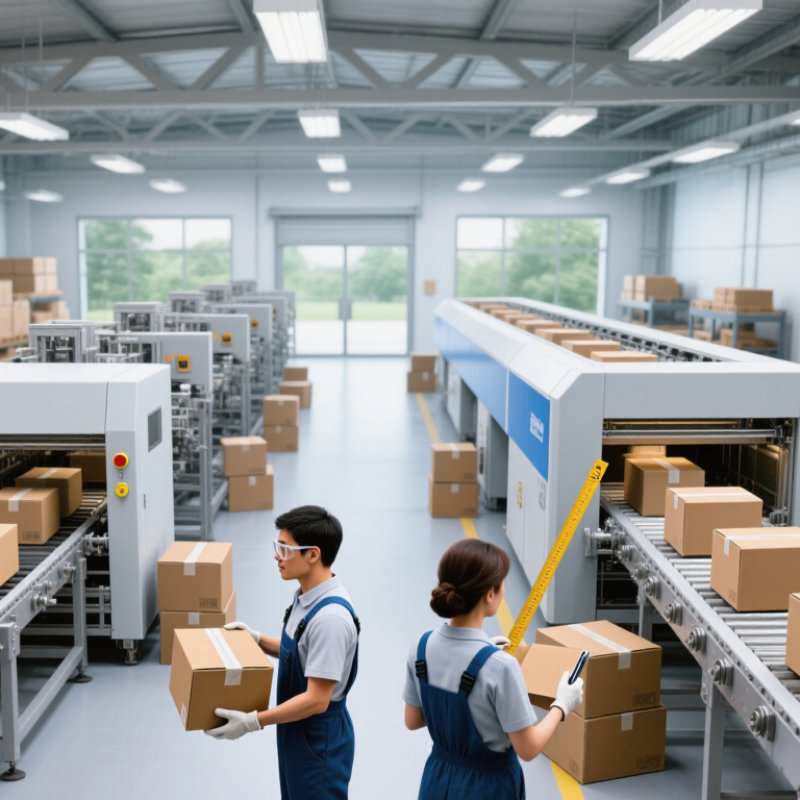
Machine capacity is not defined by speed alone. Sheet size, board grade, flute profile, and box dimensions all affect practical output. A machine may advertise 10,000 pieces per hour, but that figure usually assumes ideal materials and continuous production.
In real factories, setup time reduces hourly capacity. Frequent size changes require new tooling, feeding adjustments, and quality checks. Heavier board can slow feeding and increase pressure requirements. Larger boxes may also need wider working clearance. I once estimated capacity from the machine’s maximum speed. That estimate was wrong. The production line lost time through small stoppages and manual corrections.
Measure your expected box dimensions carefully. Record board thickness, sheet weight, daily order volume, and average changeover time. Then calculate sustained output across a full shift, not a short test run. Waste rate matters too. Poor sheet alignment can create damaged corners, uneven folds, and rejected boxes. Available floor space, electrical supply, compressed air, and operator skill also influence performance. These details are easy to overlook.
Tips: Request a production trial using your actual board and box samples. Ask for usable output, waste percentage, setup duration, and staffing needs. Leave capacity headroom for seasonal demand. Running a machine at its limit may appear efficient, but maintenance delays can become expensive. Keep records after installation. Your first capacity model will probably need revision.
How to Choose the Right Box Machine in 2026?
Choosing a box machine is not simply an automation decision. It is a production decision. During a line assessment, I once saw a fast machine create frequent jams because operators changed box sizes manually. The advertised speed looked impressive. The daily output did not.
Automation should reduce repetitive work without making troubleshooting difficult. Check feeding, folding, gluing, and quality inspection separately. Ask how the machine reacts to warped board or small size changes. A practical trial with your own materials is essential. Numbers from a showroom can be optimistic. Real factories are rarely perfect.
Flexibility also affects operating costs. A machine supporting several box formats may reduce future investment, but complex adjustments can increase training time and waste. Measure changeover minutes, rejected boxes, energy use, compressed air, maintenance hours, and spare-part access. Labor savings matter, yet service delays can erase them quickly. Request a clear maintenance schedule and realistic uptime data. Do not trust one percentage alone.
During financial comparisons, calculate cost per acceptable box rather than cost per hour. Include cleaning, tooling, software support, and operator training. A cheaper machine may need more supervision. A highly automated model may be unnecessary for short runs. That is where many buyers misjudge the decision. Let production volume, format variation, staff skills, and expansion plans guide the comparison, then record every assumption before approval.
Before buying a box machine in 2026, define your actual production needs. Record box sizes, board grades, daily volume, and required changeover time. A machine designed for large cartons may waste material on small packaging. Check its minimum and maximum sheet dimensions carefully. Ask for measured output, not only advertised speed. A fast machine is not always better.
Tips: Request a live test using your own corrugated board. Inspect folding accuracy, glue lines, compression strength, and finished box squareness. Watch the machine during setup. Can one trained operator adjust it safely? Check sensor access, emergency stops, electrical requirements, and noise levels. Also ask how quickly common wear parts can be replaced. Small delays become expensive.
Consider the whole working environment, not just the machine frame. Leave space for feeding, inspection, cleaning, and maintenance access. Confirm whether software records faults and production data reliably. Review training documents and service response terms in writing. A lower purchase price may hide higher energy, labor, or waste costs. I would also calculate the return on investment using conservative figures. Real production is rarely perfect. Board moisture changes, operators make mistakes, and orders fluctuate. A short factory demonstration cannot reveal everything, so request sample boxes from several production runs before making the final decision.