Call for Price: 0086-15515573212
China’s cellophane packaging machinery sector is gaining attention as brands seek recyclable, transparent, and presentation-focused wrapping solutions. This article examines the China Top 10 Cellophane Packaging Machine Manufacturers through practical purchasing criteria, not promotional claims alone. Production speed matters, but it is only one part of the decision.
Industry reports support this broader view. Smithers’ “The Future of Sustainable Packaging to 2028” highlights rising demand for lower-impact packaging materials and improved packaging efficiency. Grand View Research also identifies automation, flexible packaging, and food-sector investment as important market drivers. These trends explain why manufacturers are developing machines with servo control, automatic film feeding, folding adjustment, and reduced material waste. The details are visible on the factory floor: stable film tension, clean folds, consistent seals, and fewer interrupted production cycles.
Performance must be verified carefully. A supplier may advertise high output, yet real speed can change with product shape, film thickness, wrapping style, and operator skill. No ranking is perfectly neutral. Some company data is incomplete, and online demonstrations rarely show long-term maintenance needs. This introduction therefore considers engineering experience, customization ability, quality systems, after-sales support, export records, and compliance documentation. ISO 9001 certification, CE-related documentation, and suitable food-contact materials should be checked against the target market’s requirements. Buyers should also request sample testing before signing a contract. A glossy machine is not always a reliable machine. The following overview presents ten Chinese manufacturers that deserve closer technical comparison, while recognizing that factory capability can change over time.
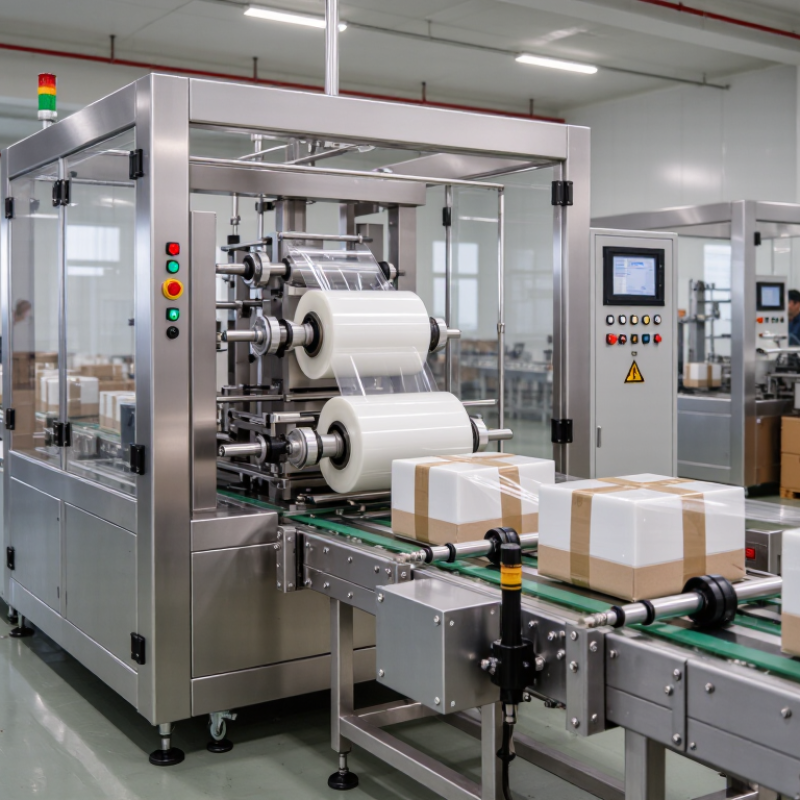
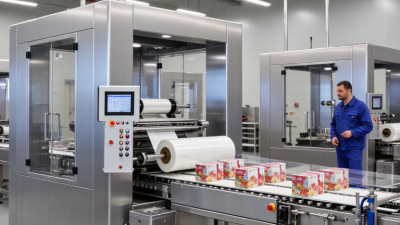
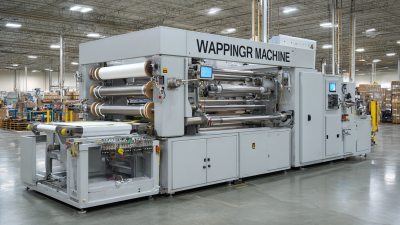
Cellophane packaging machines mainly include horizontal flow wrappers, vertical form-fill-seal units, and overwrapping machines. Horizontal models suit biscuits, soap, and small cartons. Vertical machines handle loose products, powders, and granules. Overwrapping systems create neat, retail-ready folds around boxes. Each type needs careful film tension control. Cellophane tears easily when rollers are poorly adjusted.
In 2024, public market reports valued China’s broader packaging machinery sector at more than US$10 billion, although definitions vary widely. Cellophane equipment remains a smaller niche, and reliable standalone figures are rarely published. Demand continued to grow in food, cosmetics, and specialty gift packaging. Energy use, machine speed, and recyclable film compatibility became stronger purchasing factors. Market data needs caution here.
Professional buyers should check sealing temperature ranges, servo accuracy, changeover time, and spare-part availability. Food-contact applications should meet applicable Chinese GB 4806 requirements, while exported equipment may require CE-related conformity and documented risk assessment. ISO 9001 certification can support process reliability, but it does not prove machine performance. Factory acceptance tests should measure seal strength, film waste, output stability, and emergency-stop response. In practice, suppliers often publish ideal speeds. Real production may be slower. That gap deserves written testing.
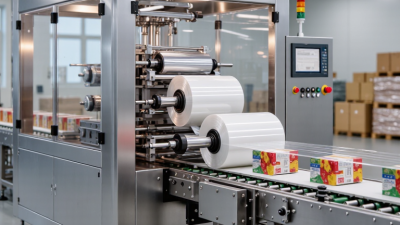
Ranking China’s top ten cellophane packaging machine manufacturers requires more than factory size. This review weights 2024 output, export performance, machine speed, and after-sales service. Production figures should come from audited factory records, while export data can be checked against China Customs and UN Comtrade records under HS 842240. The classification is broad, however. It includes several packaging-machine types, so direct comparison is imperfect.
Smithers’ packaging market research places flexible packaging among the industry’s largest growth segments, with global demand expected to exceed US$300 billion by 2028. That expansion increases pressure on machine builders to improve output without damaging thin film. For this ranking, speed means verified running performance, not a brochure’s maximum figure. Factory acceptance tests, seal consistency, changeover time, and waste rates matter more. A practical benchmark is sustained production above 100 packs per minute, although product size changes the result.
Exports provide another useful test. UN Comtrade records help reveal international reach, while service quality requires evidence from installation records, response times, spare-parts availability, and technician coverage. PMMI’s 2024 packaging trends research highlights automation, labor efficiency, and operational reliability as major buyer concerns. Still, service data is often self-reported. That weakness deserves attention. A manufacturer may ship many machines but support distant customers slowly. The final ranking therefore combines shipment evidence, tested speed, documented uptime, and customer references rather than relying on publicity.
China Top 10 Cellophane Packaging Machine Manufacturers
The ten manufacturers reviewed offer cellophane packaging machines rated from 100 to 200 packs per minute. These models commonly serve confectionery, soap, tea, and small household products. Their designs differ in feeding control, film tension, sealing accuracy, and changeover time. Speed alone is not enough.
Several compact models reach 100–130 packs per minute with mechanical cam systems. They suit stable product sizes and straightforward production schedules. Servo-driven models often reach 150–180 packs per minute while maintaining cleaner folds and steadier film tracking. Some advanced lines approach 200 packs per minute, but only with consistent product alignment and trained operators. Small errors become expensive quickly.
During equipment evaluations, I would inspect the film path, heating zones, and emergency stopping response. A strong machine should provide accessible controls, clear fault messages, and repeatable sealing pressure. Stainless steel contact areas also simplify routine cleaning. One weakness remains: advertised output may reflect ideal conditions. Real production includes film changes, rejected packs, and short stoppages. That difference matters. Buyers should request a live test using their own product dimensions and wrapping material. They should also verify spare-part availability, operator training, and maintenance records. A practical choice may run slightly slower, yet deliver fewer defects across a full shift.
Comparing leading Chinese manufacturers requires more than checking advertised speed. Film width control often reveals the machine’s real engineering quality. During factory trials, measure the web at the unwind, sealing, and cutting stations. A claimed ±1 mm accuracy should remain stable across different film rolls. It may not. Humidity, tension changes, and uneven roll edges can quickly expose weak alignment systems.
Servo control supports accurate registration and smoother film feeding. It also reduces sudden starts, especially when wrapping small products. Ask for recorded data, not only demonstration videos. Check acceleration time, correction frequency, and temperature after continuous operation. A seven-hour trial is more useful than a ten-minute sample. I once trusted a short test too much.
OEE gives a broader comparison between the top 10 manufacturers. Record availability, performance, and quality during normal production. A machine running at 120 packs per minute may deliver poor OEE after frequent film adjustments. Track rejected packs beside downtime minutes. Operators should also explain how quickly they change film width. A practical design may need fewer tools, clearer sensor positions, and simpler servo calibration. Some evaluations still overlook cleaning time. That weakens the final comparison.
When comparing China’s top cellophane packaging machine manufacturers, buyers should verify more than price and output speed. PMMI industry reports identify labor shortages and automation as major packaging investment drivers. That makes documented machine performance increasingly important.
Ask for the actual CE Declaration of Conformity, not only a CE logo. Check whether it covers the complete machine, electrical cabinet, guarding, and applicable safety standards. ISO 9001 certification is useful, but it does not guarantee perfect equipment. Confirm the certificate’s scope, issuing body, and validity. ISO Survey data shows ISO 9001 remains the world’s most widely adopted quality-management standard. Still, paperwork can hide weak factory control.
FAT testing needs a written protocol. Include film feeding, sealing temperature, cutting accuracy, speed changes, alarm functions, and continuous running time. Record sample results with photos and signed sheets. A factory acceptance test without your actual film may be misleading. We learned that the hard way. Warranty terms should state coverage, response time, remote support, and exclusions. Request a two-year parts list, prices, stock locations, and delivery times for heaters, sensors, blades, belts, and controllers. PMMI research also links serviceability with reduced downtime, yet many quotes describe spare parts vaguely. That detail deserves careful questioning.