Call for Price: 0086-15515573212

2026 Top Types of Wrapping Film for Global Buyers

Wrapping Film is not one product, but a family of materials shaped around different jobs. Stretch film stabilizes pallet loads; shrink film tightens around retail packs; cling film protects food, while barrier and breathable films manage moisture and gas differently. For global buyers, the right choice depends on the product, packing line, transport route, and storage conditions. A film that looks clear and strong on a sample roll may behave differently at production speed.

Packaging educator Walter Soroka describes packaging as “the science, art and technology of enclosing or protecting products for distribution, storage, sale, and use.” That definition captures the practical stakes. OECD’s Global Plastics Outlook (2022) reports that packaging represented 40% of plastic waste in 2019. Smithers’ The Future of Global Packaging to 2028 provides a wider view of packaging-market pressures and material choices. These reports do not rank every film type for every application. That distinction matters.

This guide compares common wrapping-film types by performance, use, and sourcing considerations. Buyers should check puncture resistance, sealing range, thickness consistency, and compatibility with existing equipment. Ask suppliers for technical data sheets and trial rolls, then test them on the actual line. Small details count: a loose pallet edge, a cloudy seal, or a roll that telescopes during unwinding can disrupt a shift. There is no universal winner. Even a well-written specification can miss real operating conditions.
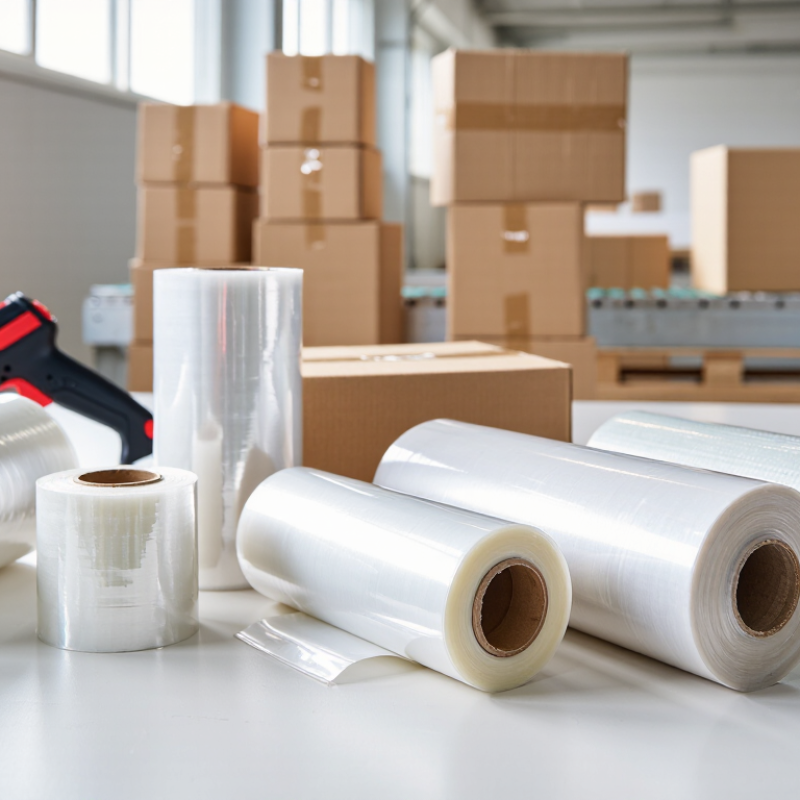
2026 Top Types of Wrapping Film for Global Buyers

What Wrapping Film Is and How It Protects Products

Wrapping film is a thin, flexible material used to cover or secure products during storage and transport. Stretch film tightens around a load when pulled, helping cartons stay aligned on a pallet. Shrink film contracts when heated, creating a closer fit around individual products or grouped packs. The right type depends on the product, packing process, and expected handling.

A well-applied film can reduce dust, surface scuffs, and movement between boxes. For example, several layers around a pallet’s base can help keep lower cartons from shifting during forklift handling. Some films also slow moisture transfer, but performance varies by material and thickness. Film is not magic. It cannot prevent crushing, rough impacts, or damage caused by poor loading. Excessive tension can even dent soft packaging or distort light cartons.

Buyers should check film thickness, stretch, cling, puncture resistance, and how consistently it unwinds on their equipment. A simple test helps: wrap a representative load, move it through normal handling, then inspect corners and edges for tears or loosened layers. Results may differ with temperature, load shape, and operator technique. That part is easy to overlook. Packaging teams should also consider whether the film can be collected and recycled through local programs, since available options differ by region.


Which Main Types of Wrapping Film Global Buyers Can Choose

Global buyers can choose stretch, shrink, cling, or barrier wrapping film, depending on the product and packing line. Stretch film holds pallet loads in place through tension and cling. Hand grades suit low-volume packing; machine grades are designed for consistent, faster wrapping. Gauge alone does not determine performance. Load shape, film stretch, and sharp carton edges matter too. Test it first.

Shrink film tightens around goods when heated, making it useful for retail multipacks and product protection. Polyolefin films are often selected for clear, neat packs, while polyethylene grades can suit heavier bundles. Cling film wraps individual items and is commonly used for food, but buyers should confirm its documented suitability for the intended food contact and storage conditions. Barrier films combine layers to help limit moisture, oxygen, or odor transfer. Their performance depends on the exact structure and seal quality. Details matter. A film that runs well in one machine may wrinkle or tear in another. Request samples, check roll dimensions, and run trials using the actual product and packing settings. There is no perfect film; a small trial can expose a costly mismatch.

2026 Top Types of Wrapping Film for Global Buyers – Which Main Types Can Buyers Choose?

Typical material and thickness ranges are indicative, not specifications. Actual performance depends on film structure, grade, processing, and application; confirm requirements with the supplier before purchasing.

Film Type Common Material Typical Thickness Main Characteristics Common Uses Buyer Considerations
Stretch Film Linear low-density polyethylene (LLDPE), sometimes with other polyethylene resins Approximately 10–30 µm for many pallet-wrapping applications Stretches around loads and clings to itself; helps stabilize products during storage and transport. Hand or machine wrapping of palletized cartons, cases, and industrial goods Compare load weight, film gauge, puncture resistance, pre-stretch capability, and whether hand or machine application is required.
Shrink Film Polyethylene (PE), polyolefin (POF), or polyvinyl chloride (PVC), depending on the application Often approximately 12–100 µm; varies widely by material and use Contracts around a product when heated; film properties differ by polymer and formulation. Multi-packs, retail products, cartons, and product bundles Check the required shrink equipment, package shape, sealing method, temperature settings, and applicable food-contact requirements.
BOPP Film Biaxially oriented polypropylene Common packaging grades are approximately 15–40 µm Typically offers clarity, stiffness, and moisture-barrier properties; may be supplied with heat-sealable or other functional coatings. Overwrap, labels, snack and confectionery packaging, and laminated structures Confirm sealability, print treatment, coating, barrier needs, and compatibility with the packaging line.
CPP Film Cast polypropylene Common packaging grades are approximately 20–80 µm Often flexible and heat-sealable, with good clarity; performance depends on grade and film structure. Packaging webs, lamination, food pouches, and textile or product overwrap Review sealing temperature, stiffness, puncture needs, and whether the film will be used alone or as part of a laminate.
PE Packaging Film Low-density polyethylene (LDPE), linear low-density polyethylene (LLDPE), or high-density polyethylene (HDPE) Common flexible packaging films range from approximately 15–150 µm Flexible PE grades are commonly used for sealing and moisture protection; properties vary among resin types and structures. Bags, liners, bundling, covers, and flexible packaging Specify resin type, thickness, strength, clarity, seal requirements, and whether recycled content or particular compliance documentation is needed.
PVC Cling Film Plasticized polyvinyl chloride Common food-wrap grades are approximately 8–15 µm Conforms closely to products and can cling to itself or suitable surfaces; formulations and permitted uses vary by market. Food-service wrapping and selected retail or household applications Verify food-contact compliance for the destination market and intended food type; check compatibility with the wrapping equipment.
PET Film Polyethylene terephthalate, often biaxially oriented (BOPET) Common flexible packaging grades are approximately 8–50 µm Offers strength and dimensional stability; often used as a printable or barrier layer in laminates. Printed packaging, laminated structures, and selected protective overwraps Consider whether a sealant layer is required, along with print, barrier, stiffness, and recycling-system requirements.

How Film Materials and Properties Differ by Application

2026 Top Types of Wrapping Film for Global Buyers
How Film Materials and Properties Differ by Application

Choosing wrapping film starts with the product’s real journey: filling, transport, storage, and opening. Polyethylene (PE) films stretch around pallet loads and resist moisture, while shrink films tighten around grouped products with heat. Biaxially oriented polypropylene (BOPP) offers a clear surface and useful moisture resistance for snacks and labels. Polyester (PET) handles higher temperatures and provides stiffness, while polyamide (PA) can improve puncture resistance for sharp-edged goods. No single film performs best in every condition.

Barrier needs change the structure. A thin EVOH layer can limit oxygen transfer in food packaging; metallized or foil layers can provide stronger barriers to light and moisture. But added layers may complicate sorting and recycling. The OECD’s Global Plastics Outlook reports that packaging generated 40% of global plastic waste in 2019. That figure is a useful reminder: performance matters, but material choice also affects end-of-life options. A neat specification can still miss what happens after the pack leaves the line.

Tips: Test film on the actual machine and product. Check seal strength, puncture resistance, and storage conditions. Small trials help. Don’t assume a thicker film is automatically safer; sometimes it only adds material.

Where Each Type of Wrapping Film Is Commonly Used

Pallet stretch film is common in warehouses, distribution centers, and export staging areas. Its elastic tension holds cartons together during forklift moves and long truck journeys. Hand rolls suit small shipping rooms; machine film supports faster, repeatable pallet wrapping. The OECD’s Global Plastics Outlook (2022) identifies packaging as the largest source of plastic waste, at 40% of total plastic waste in 2019. That figure makes film choice and thickness worth reviewing. More layers are not automatically safer.

Shrink film is widely used for multipacks, retail trays, and products needing a close-fitting outer layer. Heat contracts the film around the load, so packers must control temperature and avoid damaging heat-sensitive goods. Cling film is common in food-service kitchens and fresh-food preparation, where quick access and visibility matter. It is less suited to securing heavy pallet loads. Protective bubble film and foam-backed film are used for appliances, glass, and other scratch-prone goods in transit. The right choice depends on the product’s weight, surface, and route—not just the price per roll. A glossy film can look secure. It may still fail at sharp corners. Test a sample on the actual load, then check it after handling.

How to Select Wrapping Film for Performance, Cost, and Compliance

Start with the load. A stretch film that holds uniform cartons may fail on sharp corners or uneven pallets. Hand wrapping usually needs a forgiving film with reliable cling. High-volume lines may benefit from machine-grade film that unwinds consistently and maintains tension. Small details matter.

Compare film by the job it must do, not thickness alone. A thinner gauge can reduce material use, but only if it still controls shifting and punctures. Run a short trial with actual loads, then check corner damage, film breaks, and pallet stability after transport. Shrink film can suit bundled retail goods, while barrier films may help protect products sensitive to moisture or oxygen. Those features add cost, so use them only when the product needs them.

Price per roll is an incomplete measure. Include application speed, rejected loads, and replacement material in the calculation. I would be cautious about changing gauges after a single successful test; temperature and load variation can change results. Check technical data and request relevant test documentation. For food, medical, or other regulated uses, verify that the film’s composition and intended contact conditions meet requirements in each destination market. Requirements differ. A supplier’s general claim is not enough.

2026 Top Types of Wrapping Film for Global Buyers

Compare indicative commercial thickness ranges to help shortlist films for performance, cost, and compliance review.

Thickness ranges are indicative, not universal specifications; actual options vary by film structure and application. A thicker film is not automatically better or more cost-effective. Confirm required load or barrier performance, total packaging cost, and applicable food-contact and recycling requirements with your supplier.