Call for Price: 0086-15515573212

Why Choose Stand Up Pouches for Your Products?

Why Choose Stand Up Pouches for Your Products?

Packaging has a practical job: protect the product, communicate clearly, and fit the way people shop. A Stand Up Pouch can meet these needs while using less shelf space than many rigid containers. Its flat bottom helps it remain upright in a pantry or on a retail display. Flexible walls also make it easier to store and ship when empty. That can matter to growing brands managing limited warehouse space. Small details count.

Many pouch formats offer resealable zippers, tear notches, and different barrier layers. These features can help preserve freshness and make everyday use simpler, depending on the product and material construction. A matte finish may suit a quiet, premium design; a clear window can show what is inside. Yet pouches are not automatically the right choice. Product sensitivity, filling equipment, storage conditions, and local recycling options all deserve attention. A pouch that looks appealing but fails to protect its contents is a poor choice. It is worth testing samples under realistic handling and shelf conditions before committing to a large order. I would not assume one material works for every product. Compare specifications with a qualified packaging supplier, and check that claims about barrier performance are supported by data. The best format is the one that balances protection, usability, branding, and end-of-life considerations for your particular product. That balance takes care.
Why Choose Stand Up Pouches for Your Products?

What Stand-Up Pouches Are and How They Are Designed

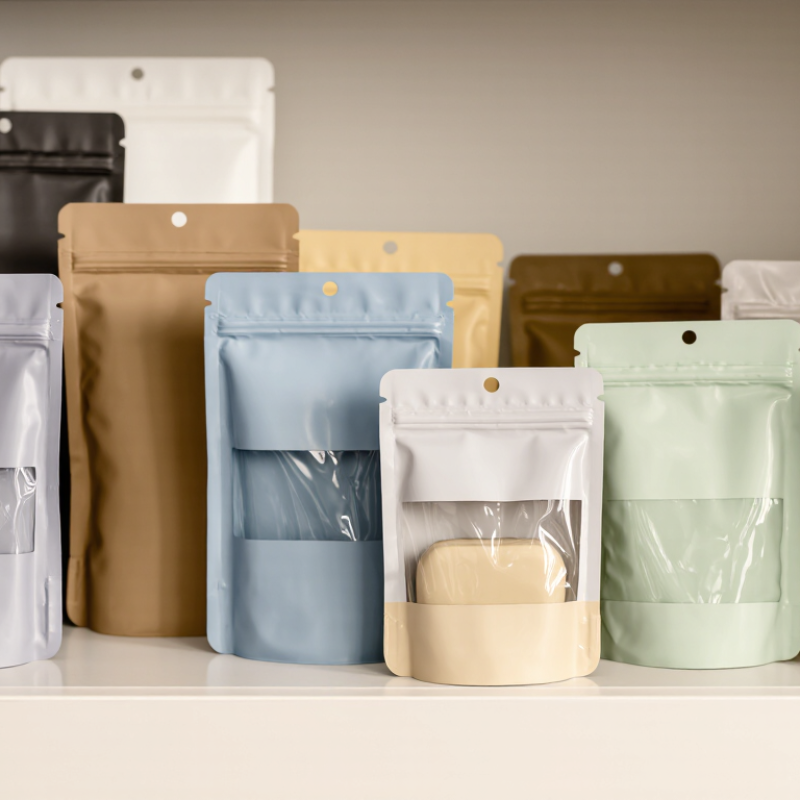
A stand-up pouch is a flexible package with front and back panels joined by sealed edges and a bottom gusset. When filled, the gusset opens and forms a base, helping the pouch stand on a shelf. The structure is simple to describe, but small design choices affect how well it performs.

The panels may combine layers selected for stiffness, print quality, and protection from moisture, oxygen, or light. The right combination depends on the product and its storage conditions. A zipper can support repeated opening, while a tear notch offers quick access. Small details matter. The gusset depth, seal width, and fill level all influence whether a pouch stays upright or tips over. A neat shelf mock-up is not proof of performance; filled samples need practical handling and stability checks.

The Flexible Packaging Association’s 2023 industry report estimated U.S. flexible-packaging sales at $42.9 billion in 2022, about 21% of the U.S. packaging market. That figure covers flexible packaging broadly, not stand-up pouches alone. For product teams, it signals the format’s wider relevance, not a guarantee that every pouch is a fit. Product weight, filling equipment, shipping, and opening habits should guide design decisions. A barrier layer may protect contents, but it can also complicate material choices and recycling options. That trade-off deserves early attention.

Materials and Features That Support Product Protection

A stand-up pouch protects products through its material layers, seals, and closure—not simply its shape. Common structures combine films such as polyester and polyethylene, sometimes with a foil or metallized barrier layer. Each layer serves a different purpose, from strength to limiting exposure to moisture, oxygen, or light. Small details matter.

The right structure depends on what goes inside. Dry snacks may need moisture resistance, while products sensitive to oxygen or light may require a higher barrier. A resealable zipper helps after opening, but it does not replace the original heat seal. That seal must remain intact during storage and transport. Not every pouch works.

Protection also depends on handling. Sharp edges, rough shipping, or an uneven seal can lead to punctures or leaks. A pouch that looks sturdy may still perform poorly if its film is mismatched to the product. Testing with the actual contents can reveal issues that a sample inspection misses. I would check seal strength, barrier needs, and storage conditions before choosing a structure. There is no single material that solves every packaging problem.

How Stand-Up Pouches Improve Storage, Display, and Use

A stand-up pouch can turn a small shelf area into useful display space. Its gusseted base lets it stand upright, keeping the front panel visible instead of buried in a stack. On a pantry shelf, several pouches can sit side by side with their labels facing forward. That makes product names and directions easier to scan. A clear window can show the texture or color of the contents, while a printed panel keeps light-sensitive products covered. The window is not always a good choice; some contents need more protection from light and air. Small details matter.

For storage, flexible packaging takes up less room than many rigid containers when empty, and its shape can adjust to the amount inside. Once filled, it still needs a stable seal and a material structure suited to the product. A zipper can make repeated opening simpler, especially for dry goods, but it does not guarantee freshness by itself. Users may pinch the seal unevenly. Not perfect. A wide opening can help with pouring or scooping, while a tear notch offers quick access but may leave a rough edge. The right combination depends on how people handle the product at home. Sample the pouch with the actual contents, check how it stands when partly used, and test the closure after repeated opening.

Which Products Benefit Most from Stand-Up Pouch Packaging

Stand-up pouches work well for products that need to stay visible, protected, and easy to access. Dry snacks, dried fruit, nuts, and granola are common fits. A wide base helps the pouch remain upright on a pantry shelf, while a resealable zipper can limit exposure to air between servings. It is useful, not magic.

Ground coffee, tea, powdered drink mixes, and baking ingredients can also benefit. These products are often measured out gradually, so a pouch with a tear notch and a reliable closure can make daily use simpler. For products sensitive to moisture, oxygen, or light, the material structure matters more than the pouch shape. Check the barrier requirements before choosing a film.

Pet treats and small household refills may suit stand-up packaging too, especially when shoppers need to see the contents or pour them neatly. Match pouch size to the product’s weight and texture: sharp pieces can stress weak seals, and heavy contents may make a narrow base unstable. Not every product belongs in one. A liquid, oily, or highly fragile item may need a different structure or careful testing. Fill a sample pouch, store it, and check for leaks, crushed corners, and easy resealing. Small details show up fast.

Why Choose Stand Up Pouches for Your Products? — Which Products Benefit Most from Stand-Up Pouch Packaging
Product Category Typical Products Why a Stand-Up Pouch Can Help Useful Packaging Features Key Consideration
Snacks and dried foods Nuts, dried fruit, granola, crackers, and confectionery The pouch stands upright for display and can be convenient to open, pour, and store after opening. Resealable zipper; tear notch; barrier structure selected to suit moisture, oxygen, and light sensitivity Choose barrier materials based on the product’s freshness requirements and expected storage conditions.
Coffee and tea Ground coffee, whole beans, loose-leaf tea, and powdered drink mixes A flexible format can provide a printable display surface while using less rigid material than many jars or cans. Resealable closure; optional one-way degassing valve for suitable coffee applications; high-barrier laminate when needed Coffee releases gas after roasting; pouch construction and valve requirements should be confirmed with the packaging supplier.
Pet food and treats Dry kibble, training treats, and dehydrated pet snacks Stand-up presentation and resealability can suit products used over multiple servings. Durable seals; zipper; tear notch; barrier selected to protect against moisture and odors Match pouch strength and seal design to product weight, handling, and distribution conditions.
Powders and dry mixes Protein powders, baking mixes, spices, and supplement powders The flexible pack can be lightweight and offers a broad area for instructions and product information. Resealable zipper; wide opening; moisture barrier appropriate to the formula Fine powders can contaminate zipper tracks, so filling method and closure placement matter.
Frozen foods Frozen fruit, vegetables, and prepared snack portions A pouch can provide compact storage and a printable surface for cooking and handling instructions. Freezer-suitable materials; strong seals; easy-open feature where appropriate Verify performance at the intended freezing temperature and after transport and handling.
Sauces and liquid foods Sauces, purées, dressings, and liquid concentrates A fitment or spout can make controlled pouring easier and may support convenient storage between uses. Spout and cap; leak-resistant seals; product-compatible barrier structure Liquid contents require suitable seals and compatibility testing; retort use requires a pouch specifically designed for that process.
Personal care and household products Bath salts, refill liquids, cleaning concentrates, and some wipes The format can support refill or multi-use packaging and offers room for directions and safety information. Resealable zipper or dispensing spout; material selected for chemical compatibility Test the pouch and closure against the specific formula, especially for oils, solvents, or concentrated products.

Key Factors to Consider When Choosing a Stand-Up Pouch

Why Choose Stand Up Pouches for Your Products?

The right stand-up pouch depends on what it must protect and how customers will use it. Start with the product itself. Coffee, dried fruit, and powdered mixes can need different levels of protection from moisture, oxygen, or light. A clear window may help shoppers see the contents, but it can reduce light protection. Check the material structure against your product’s shelf-life needs rather than relying on appearance alone.

Fit matters. Choose a pouch size that leaves enough room for filling while allowing the base to open and support the product. Consider whether customers need a zipper for repeated use, or a spout for controlled pouring. Small details count: a zipper that is hard to press closed can make a useful feature frustrating. Test it first. Fill sample pouches using your actual product and equipment, then check seals, handling, and shelf display. A pouch that looks excellent on a screen may slump when filled.

Think about storage, shipping, and disposal, too. Thicker materials may improve durability, but they can use more material. Recycling options vary by location and pouch construction, so avoid making broad environmental claims without reliable evidence. There is no perfect format for every product. It is worth reconsidering features that sound impressive but do not solve a real customer need.