Call for Price: 0086-15515573212

What Are the Top Types of Wrapping Film?

Choosing the right Wrapping Film can protect products, reduce waste, and simplify daily packing work. Yet the best option depends on the product, equipment, storage conditions, and shipping distance. A film that performs well around clean cartons may fail around sharp metal edges or uneven pallets.

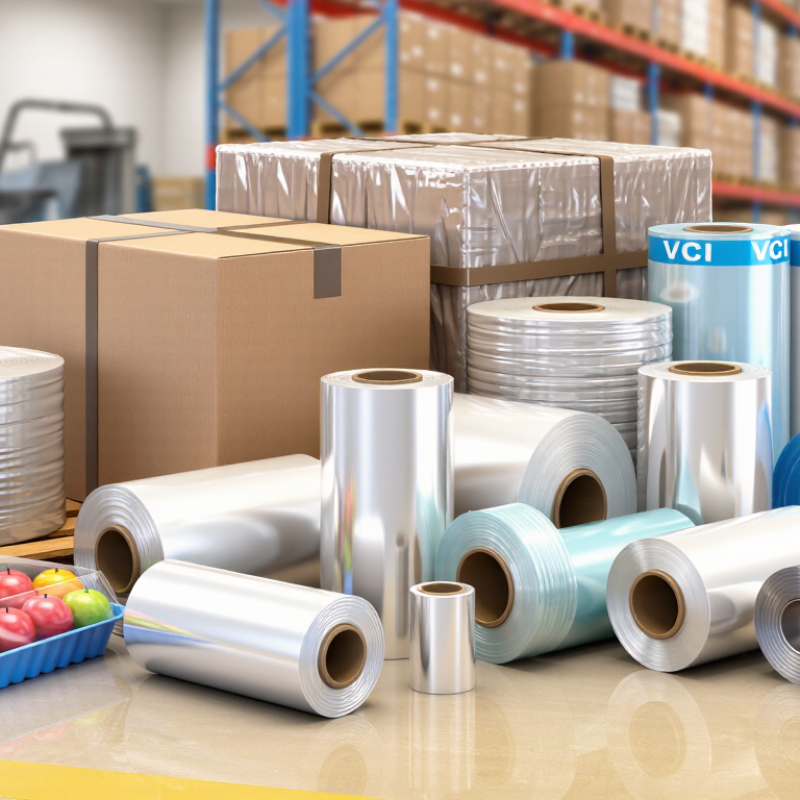
In practical packaging work, stretch film is valued for securing pallet loads with tension. Shrink film uses heat to create a tighter, more tailored cover. Cling film suits food and household applications, while barrier and VCI films support products needing protection from moisture, oxygen, or corrosion. Each type has strengths, limitations, and different handling requirements.

Material thickness matters. So do puncture resistance, clarity, seal strength, recyclability, and compatibility with wrapping machines. A thin film may lower material use, but it can tear during transport. A thicker film may feel safer, yet it can increase cost and unnecessary plastic consumption. The answer is rarely obvious.

This guide compares the top types of Wrapping Film through performance, application, and practical value. It considers warehouse experience, manufacturer specifications, and common packaging tests. Results can vary.

Temperature, humidity, load shape, and operator technique can change performance. Therefore, small trial runs remain sensible before large purchases. A film may look suitable on paper but behave differently beside a busy packing line. Reliable selection requires evidence, not attractive claims.

What Are the Top Types of Wrapping Film?

What Wrapping Film Is and How It Is Classified

Wrapping film is a thin polymer film used to secure, protect, or group products. Its classification starts with material, stretching behavior, and end use. Common materials include polyethylene, polypropylene, polyvinyl chloride, and multilayer structures. Each offers different clarity, strength, sealing performance, and moisture resistance. The right film depends on the product and wrapping equipment.

Stretch film elongates around pallets and cartons, then contracts to hold loads tightly. It is usually classified as hand-applied, machine-applied, pre-stretched, or high-performance film. Shrink film behaves differently. Heat activates its contraction, creating a close cover around individual products or bundles. Cling film uses tackiness rather than heat or strong tension. Barrier wrapping film adds protection against oxygen, water vapor, light, or odor transfer. These categories can overlap.

Market data shows why classification matters. Grand View Research valued the global stretch film market at about US$9.3 billion in 2022, with projected growth through 2030. The report connects demand with logistics, food distribution, and industrial packaging. Yet market size does not prove better performance. It is not simple. A thinner film may reduce material use, but poor load stability can increase damage and waste. In warehouse testing, compare puncture resistance, holding force, seal strength, and recycling compatibility. A film that looks clear and tight may still fail at sharp corners or during long-distance transport. Classification should guide testing, not replace it.

What Are the Top Types of Wrapping Film? - What Wrapping Film Is and How It Is Classified

Film Type Primary Material How It Is Classified Typical Thickness Key Properties Common Applications Main Selection Considerations
Stretch Film Linear low-density polyethylene (LLDPE) Classified by use, application method, prestretch level, and cling characteristics 12–35 micrometres for many pallet-wrapping applications Elasticity, load containment, puncture resistance, and self-clinging surface Pallet stabilization, bundling, warehouse storage, and transport protection Load weight, corner sharpness, wrapping equipment, stretch ratio, and required holding force
Shrink Film Polyethylene (PE), polyolefin (POF), or polyvinyl chloride (PVC) Classified by polymer, shrink direction, shrink temperature, and packaging process Approximately 15–100 micrometres, depending on material and duty Contracts when heated to form a tight, conforming package; offers visibility and tamper evidence Retail multipacks, cartons, food trays, printed products, and irregular-shaped goods Required shrink temperature, product heat sensitivity, clarity, seal strength, and package shape
Cling Film Low-density polyethylene (LDPE) or PVC Classified as household, food-service, or industrial film and by cling level Approximately 8–20 micrometres for common food-wrap uses Adhesive-like surface contact without added glue, flexibility, and transparent coverage Food covering, container sealing, short-term freshness protection, and light bundling Food-contact compliance, puncture resistance, cling performance, temperature range, and ease of dispensing
Barrier Film Multilayer combinations of PE, polypropylene (PP), nylon, ethylene vinyl alcohol (EVOH), or metallized layers Classified by oxygen, moisture, aroma, light, or gas-barrier performance Typically 40–150 micrometres for flexible packaging structures Reduces transmission of oxygen, water vapor, aromas, grease, or light Fresh food, meat and cheese packaging, medical products, coffee, and moisture-sensitive goods Required shelf life, oxygen transmission rate, water-vapor transmission rate, sealability, and recyclability
Vacuum Film Multilayer PA/PE or other high-barrier flexible structures Classified by vacuum compatibility, barrier level, seal type, and forming performance Approximately 60–200 micrometres, depending on product and equipment Removes air from the package, provides strong seals, and helps reduce oxidation and freezer burn Meat, seafood, cheese, prepared foods, medical items, and long-term storage Puncture resistance, seal integrity, vacuum retention, product shape, and storage temperature
Pallet Hood Film LLDPE or other polyethylene-based film Classified by hood dimensions, thickness, pre-stretch, and manual or automated application Approximately 50–150 micrometres Covers an entire pallet, resists tearing, and can provide protection from dust and light moisture Large pallet loads, building materials, paper products, and outdoor or warehouse storage Pallet dimensions, load height, exposure conditions, tear resistance, and fitting equipment
Bundling Film LLDPE, LDPE, or polypropylene (PP) Classified by roll width, tensile strength, elasticity, and bundling method Approximately 20–50 micrometres Narrow-width film that holds multiple items together without strapping or adhesive tape Pipes, profiles, cartons, cables, books, and small product groups Bundle weight, surface sensitivity, film width, holding force, and manual or machine application
Corrosion-Inhibiting Film Polyethylene containing volatile corrosion inhibitor (VCI) additives Classified by metal type, protection duration, film construction, and indoor or outdoor use Approximately 50–150 micrometres Creates a protective vapor environment that helps reduce corrosion on enclosed metal surfaces Steel parts, machinery components, tools, automotive parts, and metal assemblies Metal compatibility, required protection period, packaging tightness, humidity, and handling conditions
Note: Thickness ranges are general industry reference ranges. Actual specifications vary according to material formulation, film structure, packaging equipment, product weight, and required protection level.

Stretch Film: Flexible Protection for Bundling and Palletizing

Stretch Film: Flexible Protection for Bundling and Palletizing

Stretch film remains a practical choice for securing cartons, pipes, and mixed loads. Its elastic memory pulls products together during transport and storage. I have seen poorly wrapped pallets lean after only a short forklift journey. The problem was not always weak film. Uneven tension and unstable stacking caused many failures. Smithers’ 2023 report estimates the global stretch and shrink film market could exceed US$20 billion by 2028. That growth reflects continuing demand for efficient unit-load protection.

Film selection should match the load’s weight, edges, temperature, and travel distance. Pre-stretched film can reduce operator effort and improve consistency. Higher puncture resistance helps with sharp carton corners. However, thicker film is not automatically safer. Too much tension may crush lightweight boxes or distort labels. Mordor Intelligence’s 2024 analysis identifies logistics expansion as a major driver of stretch film demand through 2029. The market is growing, but waste and over-wrapping remain practical concerns.

Tips: Test three wraps on each load. Check corner damage before increasing tension. Keep the film close to the pallet surface. Overlap each pass by about 50 percent. Use a top sheet when dust or moisture matters. Record film weight per pallet, not only roll thickness. A simple audit often reveals unnecessary layers. My own preference is controlled application, though hand wrapping still varies between operators. That inconsistency deserves more attention.

Shrink Film: Tight Sealing Through Controlled Heat

What Are the Top Types of Wrapping Film?

Shrink film creates a tight package through controlled heat. The film first wraps loosely around the product. A heat tunnel or handheld air tool then activates its molecular orientation. As the film contracts, it follows corners, handles, and uneven surfaces.

Heat is the trigger. Control is everything.

Film selection depends on product weight, shape, clarity, and transport conditions. Polyolefin film often suits retail packs because it offers strong clarity and balanced sealing. Polyethylene film provides greater toughness for heavier loads. PVC remains available in some applications, but processors must assess performance and environmental requirements carefully.

The correct temperature is not universal. Excessive heat can cause holes, distortion, or weak seals. Insufficient heat leaves wrinkles and loose panels.

Operators should check dwell time, airflow, film gauge, and seal strength during trials.

Market demand supports continued investment in this format. Grand View Research estimated the global shrink films market at approximately 9.67 billion US dollars in 2023, with a projected 5.5% compound annual growth rate from 2024 to 2030. Smithers’ packaging outlook also highlights material reduction and improved recyclability as important development areas.

These figures are useful, but they are not production instructions. Actual results vary with equipment and film orientation. I have found that a small temperature change can improve appearance, yet it may reduce seal reliability. That trade-off deserves testing, not assumptions.

Cling Film: Lightweight Coverage for Food and Household Use

Cling film offers lightweight coverage for food and everyday household tasks. It creates a flexible barrier over bowls, plates, and cut fruit. In my kitchen, it helps keep sliced apples from drying quickly. It also limits spills when a container travels across a refrigerator shelf. The clear surface makes contents easy to identify without removing the covering. However, it does not make food permanently fresh. Temperature, storage time, and food quality still matter.

For a closer seal, stretch the film gently across a clean, dry rim. Press the edges firmly, but avoid pulling too hard. It may split, especially around sharp corners. I often use a slightly larger sheet than expected. That small allowance makes handling easier. Keep the film away from ovens, stovetops, and open flames. Use it in a microwave only when the packaging specifically permits that use. Direct contact with very hot or oily food may also cause problems, so checking the product instructions is sensible.

Cling film has practical household uses beyond food storage. It can cover a paint tray briefly, protect a damp sponge, or keep small items together during a move. These uses are convenient, but repeated disposal raises environmental concerns. A reusable container may work better for regular storage. I once chose film for nearly everything and later noticed how quickly the waste accumulated. It is light, useful, and easy to overuse.

Specialty Wrapping Films for Industrial and Retail Applications

Specialty wrapping films solve problems that ordinary plastic cannot. In industrial settings, vapor corrosion inhibitor films protect metal parts during storage and transport. Anti-static films reduce charge around sensitive electronic components. High-barrier films limit moisture and oxygen exposure. UV-resistant films help outdoor materials withstand sunlight, though performance depends on exposure time and climate.

Retail applications need a different balance. Shrink films create a tight, clear finish around boxes, trays, and promotional bundles. Perforated films allow airflow for selected produce and fresh goods. Soft-touch or printable films can improve shelf presentation without hiding product details. Some retail packs also use puncture-resistant film for rough handling. The strongest option is not always the best option.

Tips: Match film properties to the actual risk. Check thickness, seal strength, clarity, stretch, and storage temperature. Test a small batch first. Film that works in a dry warehouse may fail in a humid loading area. I have seen packaging decisions focus too much on appearance. That can overlook tearing, condensation, or difficult opening. A practical trial should include stacking, vibration, and several days of storage. Keep the results. They reveal weaknesses that a specification sheet may miss.

Top Types of Wrapping Film by Typical Thickness Range

Film thickness varies by product design, converting process, and end use. Stretch film is commonly made thinner for pallet stabilization, while VCI film and heavy-duty shrink film are often produced in thicker gauges for industrial protection and load durability.