Call for Price: 0086-15515573212

Top 5 Plastic Injection Mold Types You Should Know?

Plastic Injection Molding is a crucial process in manufacturing. It shapes various plastics into useful products. In 2022, the global plastic injection molding market was valued at USD 339 billion. This number is expected to grow. Industry forecasts project a CAGR of over 5% from 2023 to 2030.

Understanding the types of plastic injection molds is important for businesses. There are several mold types, each with unique benefits. For instance, single-cavity molds are simpler and cheaper. However, they limit production speed. On the other hand, multi-cavity molds increase output but come with higher costs. Balancing these options is key for efficient production.

Yet, many companies overlook the intricacies of these molds. It can lead to production delays or increased costs. Investing time in understanding the top types of plastic injection molds can pay off. Reducing waste and optimizing processes matters. We must rethink our approach to these essential tools in manufacturing.
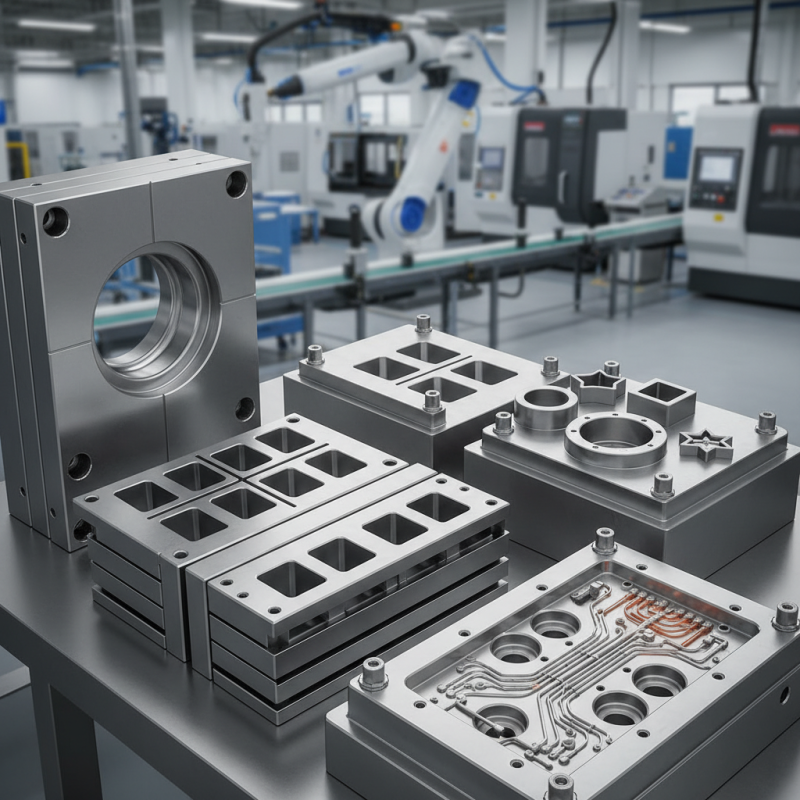
Top 5 Plastic Injection Mold Types You Should Know?

Types of Plastic Injection Molds Explained

Plastic injection molding is a common manufacturing process. It involves creating precise parts by injecting molten plastic into molds. There are several types of molds, each with unique characteristics. Understanding these can help in selecting the right one for specific applications.

One popular type is the single-cavity mold. It produces one part per cycle, making it straightforward and easy to manage. However, it can be less efficient for high-volume production. On the other hand, multi-cavity molds can create multiple parts simultaneously. This increases production speed but often involves higher initial costs and complexity in design.

Hot runner molds are another option. They keep the plastic in a molten state, reducing waste during production. Yet, they can be expensive to maintain. Cold runner molds are simpler and cheaper, making them widely used, but they often generate extra waste. Choosing between these types involves weighing costs against the desired efficiency and output quality. Each type has its advantages and drawbacks, inviting a closer look before making a decision.

Top 5 Plastic Injection Mold Types You Should Know

Mold Type Description Applications Material Compatibility
Cold Runner Mold Uses a system to channel the plastic to the cavities. Automotive parts, household items Suitable for a range of thermoplastics
Hot Runner Mold Keeps the material in a molten state to reduce waste. Cosmetics containers, electronic housings Compatible with engineering thermoplastics
Insert Mold Includes metal or other materials inserted into the mold. Electrical components, specialized tools Works with various plastics
Family Mold Houses multiple cavities to produce different parts simultaneously. Packaging, consumer goods Good for similar thermoplastics
Two-Shot Mold Involves two different materials injected in two stages. Complex parts, automotive interiors Compatible with compatible thermoplastics

Advantages of Each Type of Plastic Injection Mold

When exploring plastic injection mold types, understanding their advantages is crucial. Different molds serve various purposes, each with unique benefits.

Thermoplastic molds are popular for their versatility. They allow for easy recycling, promoting sustainability. This type excels in producing consistent parts quickly. However, they may wear out faster than others. Regular maintenance is essential to extend their life.

Another type is insert molds. They incorporate metal components into the resin. This makes them great for creating complex parts with durability. Yet, they can be costly to produce. Consider the project budget before choosing this option.

Tip: Evaluate your production volume before deciding on a mold type. A high volume may justify higher initial costs.

Family molds allow multiple parts to be produced simultaneously. This efficiency can save time and resources. However, it often limits the design complexity. Balancing speed with quality can be tricky.

Finally, cold runner molds are easier to maintain. They help reduce material waste. Yet, the cooling time can prolong production cycles. Understanding the trade-offs is important in molding processes.

Tip: Always assess your design's needs before selecting a mold type. Each option has its complexities and benefits.

Common Applications for Different Mold Types

Plastic injection molding is a crucial process in manufacturing. Different mold types serve various applications. For instance, single-cavity molds are ideal for low-volume production. They produce one part per cycle, making them cost-effective for prototypes.

On the other hand, multi-cavity molds can produce several parts simultaneously. This method enhances efficiency, especially for high-volume orders. According to industry reports, multi-cavity molds can reduce cycle times by up to 50%. Products like consumer goods and automotive parts often use this technique.

Tip: Consider your production volume when choosing a mold type. A mismatch can lead to higher costs or delays.

Another popular option is the family mold. It allows for multiple parts of different designs in a single cycle. This mold type suits diverse product lines, saving time and resources. However, balancing design and functionality can be tricky. Compromises may affect part quality.

Tip: Ensure that all parts in a family mold are similar in material to avoid manufacturing issues.

In conclusion, selecting the right mold relies on your specific needs. Understanding each type's common applications can guide better decisions, ultimately enhancing production efficiency.

Factors Influencing the Choice of Mold Type

When selecting a plastic injection mold type, several factors come into play. One of the most important aspects is the complexity of the part design. Intricate designs may require a more sophisticated mold. This often means higher costs and longer lead times. Designers must balance aesthetics with functionality.

Another key factor is production volume. High volume production might warrant a different mold type than low volume runs. The choice between aluminum and steel molds can significantly impact cost and durability. Aluminum molds might be ideal for prototypes but can wear out quickly under heavy use.

Material type is also crucial. Different plastics react differently during the injection process. Compatibility with the chosen mold type can enhance product quality. Additionally, the machine capacity must match the mold size. Misalignment here can lead to inefficiencies. Keep these considerations in mind as they directly influence the final product. Adjusting mold types might yield changes in quality and cost. Reflection on these aspects can lead to better decision-making.

Maintenance and Care for Plastic Injection Molds

Proper maintenance of plastic injection molds is essential for their longevity and efficiency. Regular inspections can help identify wear and tear over time. Look for signs like scratches or rust on the surface. Addressing small issues promptly can prevent major repairs later. Lubrication is also crucial. Use the right type of lubricant to ensure smooth operation. Over-lubrication can cause dirt and dust buildup. It’s a delicate balance.

Cleaning molds after use is just as important. Residue from the plastic can accumulate, affecting the next production cycle. Use appropriate solvents and brushes for cleaning. Avoid abrasive materials that could scratch the mold. If molds are not in use, store them properly. A controlled environment helps prevent oxidation and damage. Inspect stored molds periodically.

Sometimes, even with careful attention, molds can still develop problems. A missed maintenance step might lead to defective products. It's vital to reflect on maintenance routines regularly. Look for patterns in wear or recurring issues. This reevaluation can help optimize maintenance practices in the future. Keep records of maintenance activities to track improvements and areas needing attention.