Choosing an Aerosol Can Filler is a practical decision with lasting effects. The right machine must match the product, container dimensions, production volume, and available floor space. A fast line is not automatically a suitable line.
This guide introduces ten suppliers serving global buyers. It focuses on details procurement teams can verify: filling range, changeover design, line integration, technical support, spare-parts access, and documented quality procedures. Picture a real production floor: cans move beneath filling heads, operators check seals, and changeovers must happen without needless delays. Small design differences matter.
A careful comparison takes time.
Buyers should request current specifications, references, and service terms directly from each supplier. Published capacities may rely on different products or test conditions, so figures are not always comparable. That is worth questioning.
Expert judgment matters, too. I cannot responsibly attribute a quotation to a named Aerosol Can Filler specialist without a verifiable source. Rather than invent one, this introduction leaves that claim out; a sourced expert comment should be added before publication. The supplier list is a starting point, not an endorsement. Real requirements vary, and some details are easy to overlook. A useful shortlist is built on evidence, clear questions, and honest review.
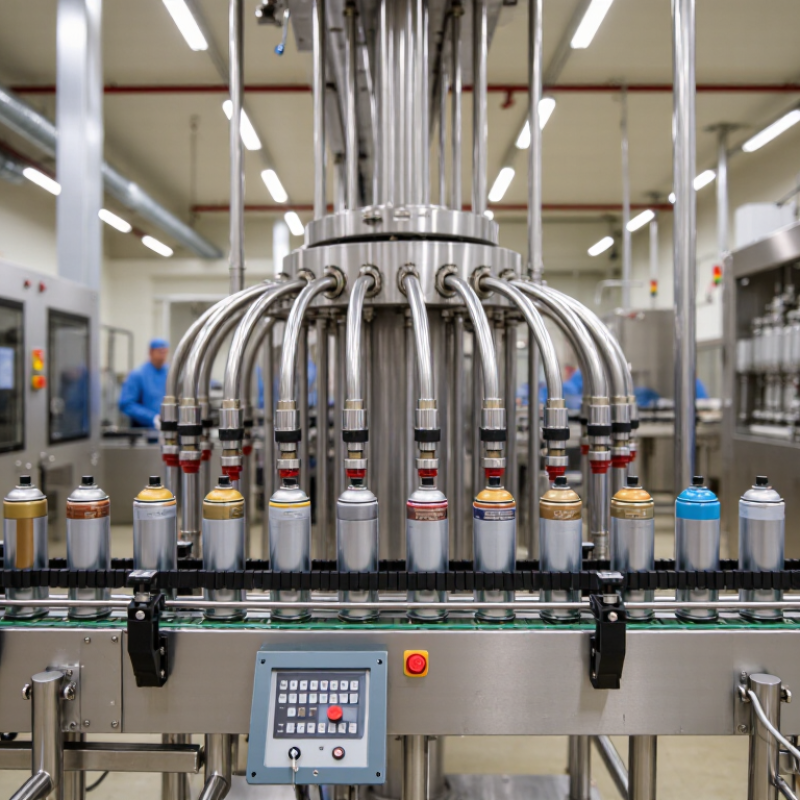
Global packaging projects rarely use one identical aerosol can. A supplier may need to match different diameters, valve types, actuator styles, and printed finishes. Experienced teams confirm these details against drawings and physical samples before production. Small mismatches can affect line speed or product consistency.
A capable filling partner can support varied order sizes and coordinate can making, filling, crimping, and inspection. Buyers should ask how the supplier checks fill weight, valve placement, seam quality, and leakage. Batch records and clear inspection reports make quality easier to verify across shipments. Details matter. Export planning also includes pallet patterns, protective packaging, lead times, and transport conditions. A well-prepared supplier shares realistic schedules and flags capacity limits early, rather than promising every deadline.
Regional packaging requirements can differ, so buyers should confirm applicable specifications with qualified local advisers. The supplier can provide material data, test records, and production documentation to support that review. Communication matters as much as machinery. A delayed drawing approval or unclear label file can hold up a complete order. Even careful forecasts miss sometimes. Reviewing trial runs and shipment feedback helps both sides improve the next production plan.
The profiles below describe common aerosol-filling supplier models, not named companies or a verified ranking. Capabilities vary by facility, product, and destination market; buyers should confirm details directly with each supplier.
| Supplier Profile | Typical Filling Services | Common Packaging Options | How It Serves Global Buyers | Key Buyer Checks |
|---|---|---|---|---|
| 1. Full-service contract aerosol filler | May provide formulation support, component sourcing, filling, assembly, and finished-goods packing. | Commonly steel or aluminum cans with compatible valves, actuators, and caps. | Can consolidate multiple production steps and coordinate packaging for different markets. | Confirm formulation ownership, minimum order quantities, lead times, testing, and export documentation. |
| 2. High-volume production filler | Designed for repeat, larger production runs using automated filling and packaging lines. | Can formats and valve systems supported by the facility’s line equipment. | Can support steady demand across several markets when forecasts and specifications are consistent. | Check available line speeds, changeover requirements, production capacity, and order flexibility. |
| 3. Flexible-batch contract filler | May handle pilot, seasonal, or lower-volume runs, subject to equipment and minimum-run constraints. | Often works with a range of can sizes and dispensing components within line limits. | Useful for testing demand in multiple regions before committing to larger production volumes. | Ask about minimum batch size, sample runs, setup charges, and repeat-order scheduling. |
| 4. Bag-on-valve (BOV) specialist | Fills products held inside a bag, with compressed gas outside the bag to dispense the product. | BOV-compatible cans, bags, valves, and actuators specified for the product and dispensing needs. | Can support applications where product separation from the propellant is required or preferred. | Verify product compatibility, bag and valve specifications, spray performance, and stability testing. |
| 5. Personal-care aerosol filler | May fill products such as deodorants, hair sprays, shaving foams, and body sprays. | Can and dispensing components selected for the formula, spray pattern, and consumer use. | Can help adapt pack sizes, labels, and product documentation to destination-market requirements. | Confirm formula and packaging compatibility, claims review, stability data, and applicable cosmetic requirements. |
| 6. Household and cleaning aerosol filler | May handle surface cleaners, air fresheners, insect-control products, and other household aerosols. | Steel or aluminum cans and spray components selected for the formula and intended use. | Can support different label languages, pack configurations, and market-specific product information. | Check chemical compatibility, safety data, hazard classification, and required labeling for each market. |
| 7. Industrial and maintenance aerosol filler | May fill lubricants, coatings, marking products, and maintenance or workshop sprays. | Packaging and valves selected to suit the product’s viscosity, delivery method, and use conditions. | Can supply product formats for professional, industrial, and distributor channels. | Review material compatibility, spray testing, safety information, and any sector-specific requirements. |
| 8. Powder or specialty-formula aerosol filler | May offer filling for selected powders or other specialty products using equipment designed for those materials. | Specialized valves, actuators, and can configurations, subject to product and equipment compatibility. | Provides access to niche aerosol formats that may not be supported on general-purpose lines. | Confirm proven experience with the specific product, filling method, dose consistency, and testing plan. |
| 9. Regional contract filler | Produces within or near a target sales region, with services determined by local facilities and capabilities. | Locally available cans and components, or buyer-specified materials that meet facility requirements. | May reduce transport distance and simplify replenishment for customers serving nearby markets. | Assess local regulatory knowledge, component sourcing, capacity, and cross-border shipping arrangements. |
| 10. Private-label and export-focused filler | May offer contract packing, customer-specific artwork coordination, and export-ready finished-goods preparation. | Pack formats and labeling based on customer specifications and the filler’s approved production capabilities. | Can coordinate multilingual packaging and shipment documentation for multiple destinations. | Confirm artwork approvals, language and labeling rules, shipment terms, and dangerous-goods documentation where applicable. |
Global sourcing note: Aerosol products are commonly classified for transport as UN 1950, but the applicable transport classification and requirements depend on the product and route. Confirm current requirements with qualified regulatory and dangerous-goods professionals. Filling facilities should also explain how they assess can, valve, and formula compatibility and perform applicable quality and pressure-related checks.