Call for Price: 0086-15515573212
A Carton Wrapping Machine can look simple on a showroom floor. On a busy line, it must handle uneven carton sizes, maintain tight film tension, and keep pace without damaging printed surfaces. For buyers comparing China’s top 10 suppliers, the details matter: rated speed, changeover time, sealing consistency, spare-parts access, and the support available after installation.
Industry reports offer useful context, but not every report measures carton wrapping machines as a separate category. PMMI’s 2024 State of the Industry report and its packaging machinery forecasts track broader equipment-market conditions, including investment priorities and automation needs. Smithers’ packaging outlooks add context on changing packaging formats and production demands. These reports help frame supplier questions; they should not be treated as proof that one machine or vendor will fit every factory.
A careful comparison needs more than catalogue figures. Ask for a test using your actual carton dimensions and film. Watch the finished pack emerge. Check whether seals stay neat at line speed. Small details reveal a lot. One limitation deserves honesty: the source material supplied for this introduction contains no verifiable quotation from a named carton-wrapping expert, so attributing a quote would risk misleading readers. This guide instead focuses on measurable specifications, documented service capabilities, and questions buyers can verify directly.
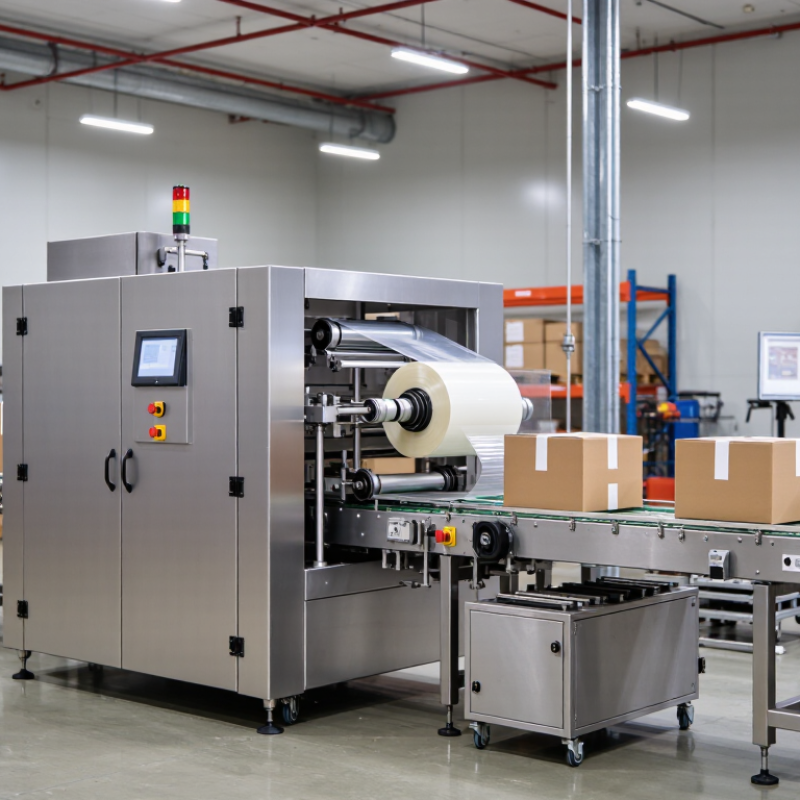
Carton wrapping machines handle single cartons, grouped multipacks, or cartons arranged on trays. The right format depends on package dimensions, line speed, and how the load will be handled. A compact horizontal wrapper may suit individual cartons, while a bundling system can secure several cartons with one film sleeve. Check carton stability before choosing; loose flaps can snag or crease during wrapping.
Film choice affects appearance, protection, and machine settings. Polyolefin shrink film is common for retail packs, while polyethylene films are often used for heavier bundles. Film width and thickness must match the package and sealing system. Shrink response matters, too. A sample pack should be checked for loose corners, cloudy areas, and excessive tension. Small details matter.
Track sustained cartons per minute, not just the machine’s peak speed. Also record film use per carton, rejected packs, seal quality, and changeover time. Compare results across similar carton sizes and film specifications. There is no perfect setting for every pack. A faster tunnel may distort light cartons, and tighter film can crush weak corners. Operators sometimes adjust by feel, which is understandable but hard to repeat. A brief test log, including temperature and conveyor speed, makes troubleshooting more reliable.
A carton wrapping machine’s advertised cartons-per-minute figure is only a starting point. Ask suppliers to run your actual carton size, film, and packing pattern, then record sustained output over a full shift. A line reaching 120 cartons per minute for five minutes may perform very differently after jams, film splices, and replenishment stops. Compare good cartons produced per scheduled hour, not just the fastest display reading. Small details matter: a carton with a glossy surface may slip, while a slightly skewed infeed can trigger repeated rejects.
OEE helps connect speed with real production. Vorne’s widely used OEE benchmark guidance identifies 85% as a world-class reference, not a promise for every plant. Request the three underlying figures—availability, performance, and quality—alongside the total. Then time changeovers with a stopwatch: from the last good carton of one format to the first accepted carton of the next. Record tool changes, recipe loading, film threading, and adjustment time. Not just the headline. A supplier’s demonstration may use an experienced technician; your operators may need longer, and that gap deserves honest review. Compare results across several changeovers and shifts before ranking suppliers.
Indicative carton-speed ranges by package size (cartons per minute). These are planning estimates, not verified ratings for individual suppliers.
Actual speed depends on carton dimensions, wrapping material, product feed, and line configuration. Compare suppliers using the same product and acceptance-test conditions. Record OEE as availability × performance × quality, and define changeover time consistently—from the last good carton of one format to the first good carton of the next.
China’s leading carton wrapping machine suppliers serve food, beverage, personal care, and household-goods factories. Applications range from wrapping small cartons in clear film to bundling several cartons for transport. A bakery line may need gentle product handling, while a beverage plant may prioritize steady output and consistent film tension. That difference matters.
When comparing ten suppliers, examine the full operating setup, not just the machine’s advertised speed. Some systems rely on manual loading; others connect conveyors, sensors, and automatic film feeding. Ask how the equipment handles carton size changes, jams, and uneven product spacing. Request a live test with cartons like yours. A fast demo can miss real production problems.
Export capability involves more than shipping machinery abroad. Check whether the supplier provides clear electrical specifications, operating manuals, spare-parts lists, and remote or on-site commissioning options. Confirm packing details and delivery responsibilities before ordering. A supplier may present polished documents, yet response times can still vary. I would treat promised output figures cautiously until they are tested with your materials, operators, and shift conditions. The practical fit is not always obvious.
When comparing China’s top ten carton wrapping machine suppliers, ask for safety evidence, not a logo. ISO 12100:2010 provides a method for identifying hazards, estimating risks, and reducing them through design, safeguards, and instructions.
Inspect film-roll changeovers, sealing jaws, nip points, and jam-clearing access. Small details matter. A guard switch alone may not prevent contact if stopping time is too long.
ISO 13849-1:2023 addresses safety-related control systems and their required performance levels. Ask suppliers to document each safety function’s required PLr, control architecture, component data, and validation results. Request electrical schematics and fault-response test records. “CE-ready” is not proof of performance.
The U.S. Bureau of Labor Statistics reported 2.4 total recordable cases per 100 full-time workers across private industry in 2023, in Employer-Reported Workplace Injuries and Illnesses, 2023. This broad figure is not specific to packaging machinery, but it shows why routine work deserves attention.
During acceptance, test emergency-stop access, guard interlocks, restart prevention, and recovery after a jam. Paperwork can look complete.
I would still observe an operator clearing a real production stoppage.
A brief speed test can hide jams, film splices, and replenishment stops. Measure good cartons per scheduled hour across a full shift. Not just the display.
Run your carton size, film, and packing pattern. Include glossy cartons and uneven spacing if they occur on your line. Small differences can cause slipping or rejects.
OEE combines availability, performance, and quality. Ask for all three figures, not only the total. An 85% result is a reference, not a guarantee.
Start with the last good carton in one format. Stop at the first accepted carton in the next. Include tool changes, recipe loading, film threading, and adjustments.
One demonstration may use an experienced technician. Test across multiple shifts and operators to see whether results hold. That gap matters.
Ask whether loading is manual or linked to conveyors, sensors, and automatic film feeding. Check how the system handles jams and changing carton sizes.
Match the test to your application. A bakery may need gentle handling, while beverage cartons may need steady output and film tension. I would not assume one setup fits both.
Request electrical specifications, operating manuals, spare-parts lists, and commissioning options. Confirm packing details and delivery responsibilities. Polished documents do not always mean quick support.
Treat promised output cautiously until your materials and operators are tested. A fast demo can miss production problems. I may be overcautious, but the shift test is more telling.