Call for Price: 0086-15515573212

Why is Machine Vision Inspection Essential for Quality Control?

In today's fast-paced manufacturing environment, quality control is more critical than ever. Machine Vision Inspection plays a pivotal role in ensuring product integrity. This technology uses advanced imaging to detect defects or inconsistencies in products.

Consider a production line where thousands of items are manufactured daily. Human inspectors may overlook minor flaws, leading to significant issues. Machine Vision Inspection can analyze each item with precision, quickly catching errors. This reduces waste and enhances overall efficiency.

However, relying solely on technology raises questions. Are we discounting the human element in quality control? As machines perform inspections, human oversight may diminish. Finding the right balance between technology and human input is essential for optimal quality control.
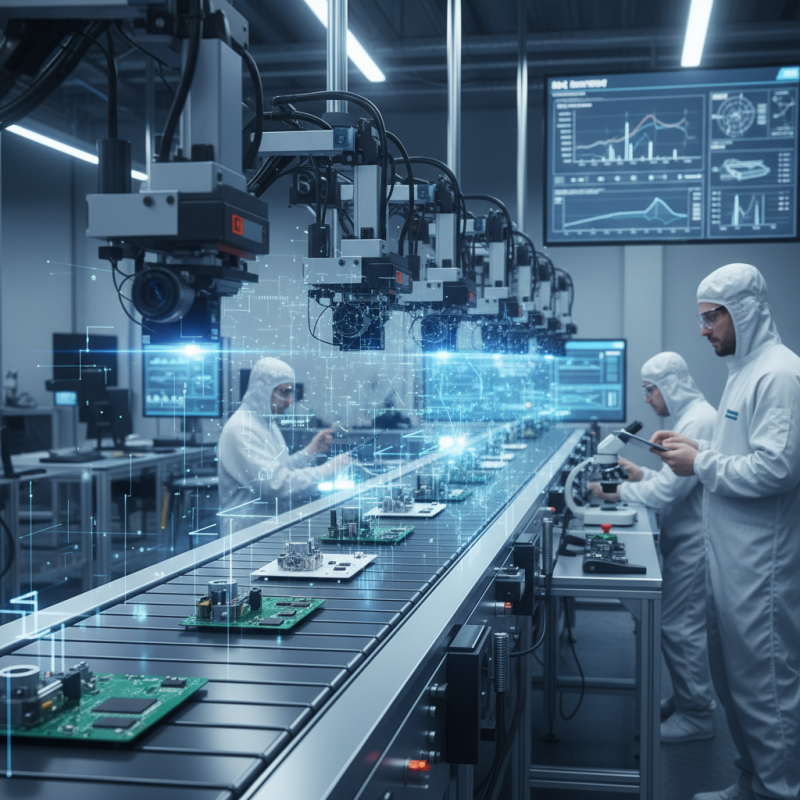
Why is Machine Vision Inspection Essential for Quality Control?

The Role of Machine Vision in Modern Quality Control Processes

Machine vision systems are transforming quality control in various industries. These systems utilize cameras and sophisticated software to inspect products in real-time. They identify defects that human eyes might miss. According to recent industry reports, machine vision can increase inspection speed by up to 50%. This speed enhances throughput while maintaining product quality.

In addition to speed, machine vision enhances accuracy. A study found that automated inspection systems reduce error rates by approximately 30%. However, not all implementations are perfect. Some systems struggle with complex geometries or changing lighting conditions. Companies must continually evaluate and refine their machine vision setups. Investments in training for staff operating these systems are crucial.

While machine vision has improved many processes, challenges remain. Integrating these systems with existing workflows can be complicated. Companies face difficulty in transferring data between machines and maintaining system reliability. Regular audits of machine vision performance are essential. They ensure that the technology remains effective in delivering quality control.

Key Benefits of Implementing Machine Vision Systems in Manufacturing

Machine vision systems are revolutionizing quality control in manufacturing. These systems use cameras and artificial intelligence to inspect products at high speed. They can detect defects that human eyes might miss. This technology enhances accuracy and reduces errors significantly. As a result, manufacturers save time and resources. They can focus on perfecting their products instead of repetitive inspections.

Implementing machine vision also offers flexibility. Systems can be tailored to different manufacturing processes. They can handle various product types without extensive reconfiguration. However, companies may face challenges during the initial setup. Integrating machine vision into existing workflows requires careful planning. Employee training is essential for maximizing the system's potential. Not every company succeeds at first, and that’s okay. Growth often involves learning from imperfect implementations.

The real-time feedback from vision systems is another critical benefit. It enables quick adjustments in the production line. This leads to improved product quality and customer satisfaction. Yet, achieving this requires commitment. Continuous monitoring and adjustments are necessary to sustain performance. Machine vision isn't a one-time fix; it's an evolving aspect of manufacturing quality control. Companies must stay adaptable to truly benefit from this technology.

Statistical Data on Defect Reduction Through Machine Vision Inspection

The integration of machine vision inspection systems has transformed quality control across various industries. Recent studies reveal that implementing these systems can reduce defect rates by up to 80%. In the automotive sector, for instance, factories reported a 50% decline in quality defects after embracing machine vision technology. This data highlights the effectiveness of automated inspection in ensuring product reliability.

Moreover, a survey conducted by an industry association found that 65% of companies attributed their improvement in product quality directly to machine vision systems. These systems can detect minute differences in products, often unnoticeable to the human eye. In one case, a manufacturer noted a 30% reduction in return rates due to defects, showcasing the tangible financial benefits of adopting such technology.

However, challenges remain. Not all machine vision systems are foolproof. Certain environments may hinder performance. Lighting variations and component complexity can lead to missed defects, which poses risks to overall quality. Companies must continuously evaluate and refine their machine vision systems to address these imperfections and ensure optimal performance. Regular updates and staff training are crucial in this regard.

Why is Machine Vision Inspection Essential for Quality Control? - Statistical Data on Defect Reduction Through Machine Vision Inspection

Inspection Method Defect Rate Before Inspection (%) Defect Rate After Inspection (%) Reduction in Defects (%) Cost Savings ($)
Manual Inspection 5.0 4.0 20.0 5000
Machine Vision Inspection 5.0 1.0 80.0 20000
Automated Visual Inspection 5.0 0.5 90.0 30000

Comparative Analysis of Traditional vs. Machine Vision Inspection Methods

Traditional inspection methods often rely on manual processes. Humans can make mistakes, leading to inconsistent quality. According to a report by the American Society for Quality (ASQ), human error accounts for approximately 80% of product defects. This inconsistency can result in costly rework and delays in production. Additionally, traditional methods may not detect subtle defects that can affect product performance, especially in intricate assemblies.

In contrast, machine vision inspection offers precision and speed. It leverages advanced algorithms and high-resolution cameras to analyze products. A study from the International Society for Automation (ISA) notes that machine vision systems can improve defect detection rates by up to 90%. Furthermore, they can operate continuously, reducing the chances of oversight. However, there are challenges. Implementation costs can be significant. Training staff to use these systems also requires time and resources.

The transition to machine vision is not always seamless. Some industries have reported initial resistance from employees who fear job loss. The technology also demands periodic maintenance and updates to stay effective. However, the long-term benefits in defect reduction and productivity improvements are compelling. Balancing technology and human oversight remains a crucial consideration. Quality control is evolving, but reflection on these challenges is necessary for successful integration.

Future Trends in Machine Vision Technology and Quality Assurance

Machine vision technology is rapidly evolving. It plays a crucial role in quality assurance. This technology uses cameras and software to detect defects in products. In the future, we can expect broader applications. Enhanced algorithms will allow for finer inspections. The ability to analyze data in real-time will become the norm.

One trend is the integration of artificial intelligence. Machine vision systems will learn from past inspections. This will lead to better understanding and fewer errors. However, there are challenges. Not all systems adapt equally well. Some still struggle with complex patterns. This inconsistency can lead to quality control issues.

Another emerging trend is the use of 3D imaging. It offers a more detailed view of products. This can help in detecting flaws that 2D systems miss. Yet, 3D systems can be more costly. Not every industry can afford them. Balancing quality and budget remains a key concern. As technology advances, companies must continually assess their needs.