Call for Price: 0086-15515573212

What is Hot Melt Adhesive Tape and Its Applications?

Hot Melt Adhesive Tape is a versatile material widely used in various industries. According to Dr. Emily Chen, a leading expert in adhesive technologies, “Hot Melt Adhesive Tape has transformed how we approach bonding in manufacturing.” This type of tape combines a special formulation that allows it to bond effectively at high and low temperatures.

The applications of Hot Melt Adhesive Tape are expansive. It is commonly used in packaging, automotive, and electronics industries. Manufacturers appreciate its quick bonding capability and ease of use. Its reliable adhesion properties often lead businesses to consider it a go-to solution when traditional adhesives fall short.

Despite its many benefits, there are considerations to keep in mind. Not all Hot Melt Adhesive Tapes perform equally under different environmental conditions. Testing is crucial to identify the best option for specific applications. As industries evolve, so do the challenges associated with adhesive solutions, making it essential to stay informed about the latest advancements.
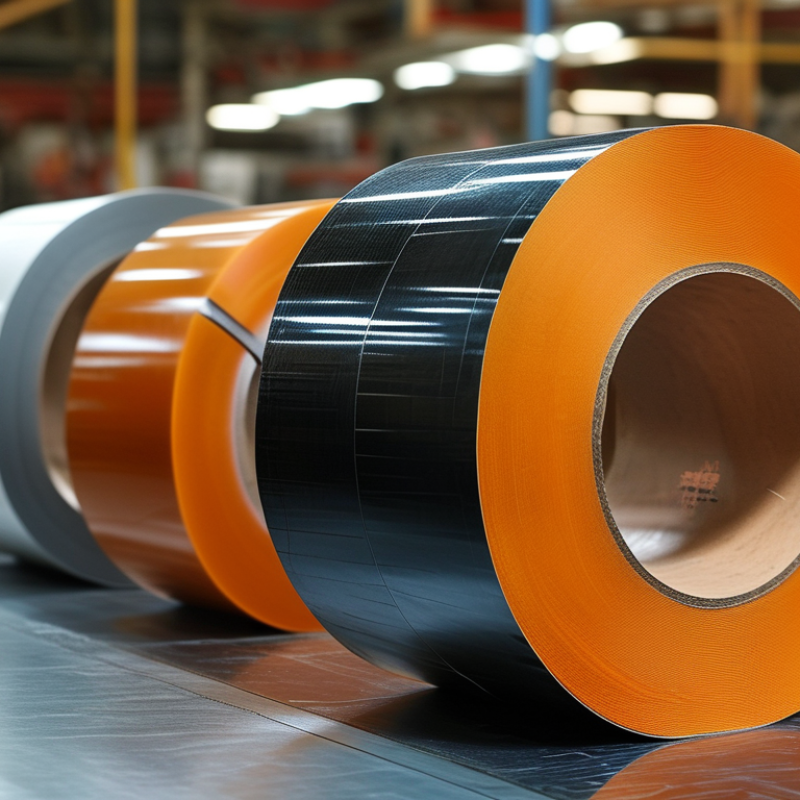
What is Hot Melt Adhesive Tape and Its Applications?

Understanding the Composition and Properties of Hot Melt Adhesive Tape

Hot melt adhesive tape is a specialized tape designed for various bonding applications. It consists of thermoplastic polymers that become tacky when heated. This adhesive quickly cools and solidifies, creating strong bonds. An important benefit is that it can be reactivated by heat, allowing for adjustments during the assembly process.

According to a report by the Adhesive and Sealant Council, the global hot melt adhesive market is expected to reach over $6 billion by 2027, reflecting its increasing use across industries. The composition of hot melt adhesives typically includes a blend of polymers, resins, and additives that enhance performance. For instance, ethylene-vinyl acetate (EVA) is widely used for its balanced adhesion and flexibility.

Despite their strength, hot melt adhesive tapes can have limitations. Their performance may vary significantly with temperature changes. For example, in high-temperature environments, some adhesives may not maintain their bond strength effectively. Additionally, while they offer excellent initial tack, prolonged exposure to moisture can degrade adhesion. Understanding these properties can help users select the appropriate tape for their specific applications, ensuring optimal performance while acknowledging potential shortcomings.

Key Benefits of Using Hot Melt Adhesive Tape in Various Industries

Hot melt adhesive tape is widely used across various industries. This tape is made from thermoplastic materials that bond when heated. It provides a quick and effective solution for many applications. It is known for its strong adhesion and versatility.

One key benefit is its quick application process. It bonds to surfaces almost instantly once cooled, making it ideal for high-speed production. This feature is particularly valuable in packaging and automotive sectors. It reduces production time and enhances efficiency. Another advantage is its excellent temperature resistance. Hot melt tapes withstand extreme conditions, ensuring durability in outdoor applications.

Tips: When applying hot melt adhesive tape, ensure surfaces are clean and dry. This improves adhesion and longevity. You may want to test a small area first. Not all surfaces are compatible, and this can lead to disappointment.

In the construction industry, hot melt adhesive tape is favored for securing insulation materials. It minimizes thermal bridging. However, it's crucial to consider the tape's compatibility with specific building materials. Sometimes, a mismatch can cause issues down the line. Understanding the specifics of your project is essential.

Common Applications of Hot Melt Adhesive Tape in Manufacturing Processes

Hot melt adhesive tape is versatile and widely used in manufacturing. Its unique properties make it suitable for various applications. One key advantage is its fast bonding time. This allows manufacturers to streamline processes and reduce production time.

In packaging, hot melt adhesive tape ensures secure closures. It can withstand various environmental conditions, making it reliable for long-distance shipping. In electronics, it is used to attach components without adding extra weight. This is vital for maintaining device functionality and performance.

However, challenges can arise. Not all surfaces bond well with the tape. Some materials may require pre-treatment to enhance adhesion. Additionally, temperature fluctuations can affect the performance of the adhesive. This requires careful monitoring and adjustments in processes to ensure consistency.

Overall, understanding these nuances can lead to better outcomes in manufacturing.

Comparative Analysis of Hot Melt Adhesive Tape versus Other Adhesives

Hot melt adhesive tape is increasingly used across various industries due to its unique properties. Compared to traditional adhesives like epoxy or cyanoacrylate, hot melt adhesives offer rapid bonding and clarity. According to a report by the Adhesives and Sealants Industry, the global hot melt adhesive market is expected to reach over $7 billion by 2025, reflecting a growing preference for quick, effective solutions in manufacturing.

One of the key advantages of hot melt adhesive tape is its versatility. It adheres well to various substrates like paper, plastics, and metals. Unlike liquid adhesives, it can be applied in a clean, mess-free manner. This quality is crucial in sectors such as packaging, where precision and speed are essential. The working time is minimal; once heated, it sets quickly upon cooling, which is vital for high-speed production lines.

**Tip:** Always test a small area when switching adhesive types. Differences in bonding strength can impact performance.

However, hot melt adhesive tapes often don’t perform well in extreme conditions. High temperatures can lead to adhesive failure, and they may not be suitable for surfaces exposed to moisture. Industry professionals should consider environmental factors when choosing adhesives.

**Tip:** Evaluate the working environment thoroughly before selecting an adhesive tape for your project.

What is Hot Melt Adhesive Tape and Its Applications? - Comparative Analysis of Hot Melt Adhesive Tape versus Other Adhesives

Adhesive Type Material Composition Curing Time Bond Strength Temperature Resistance Common Applications
Hot Melt Adhesive Tape Thermoplastic polymers Immediate Moderate to High -30°C to 80°C Packaging, textiles, electronics
Epoxy Adhesives Epoxy resins and hardeners 24-48 hours High -40°C to 120°C Construction, automotive, aerospace
Cyanoacrylate Adhesives (Super Glue) Alkyl cyanoacrylate monomers Seconds Moderate -20°C to 80°C Household repairs, craft work
Polyurethane Adhesives Polyurethane prepolymers 12-24 hours High -40°C to 100°C Woodworking, flooring, automotive
Acrylic Adhesives Acrylic copolymers 24 hours Moderate -30°C to 90°C Signs, automotive, medical

Future Trends and Innovations in Hot Melt Adhesive Tape Technologies

The hot melt adhesive tape market is poised for significant growth in the coming years, driven by innovative technologies and applications. According to a recent market analysis, the sector is expected to reach a valuation of over $4 billion by 2027, highlighting a compound annual growth rate (CAGR) of around 6.5%. Such robust growth stems from the increasing demand in various industries, including automotive, electronics, and packaging.

Innovations in hot melt adhesive technologies are evident. Recent developments focus on enhancing adhesion properties while reducing environmental impact. Biodegradable formulations are gaining traction, aligning with sustainability trends. Moreover, the integration of smart functionalities, such as temperature resistance and quick bonding capabilities, resonates well with modern manufacturing needs. However, the industry must navigate challenges, such as overcoming limitations in certain application conditions and improving the longevity of adhesive bonds.

As we look ahead, research reports indicate that manufacturers are investing in R&D to diversify product offerings. This includes exploring new materials and formulations to meet specific needs. Yet, the lack of standardized testing methods poses a question. How can we ensure the reliability of these innovations? Addressing such concerns will be crucial for the industry’s advancement.

Hot Melt Adhesive Tape Applications and Market Trends