What is Flexible Packaging Film and Why is it Important?
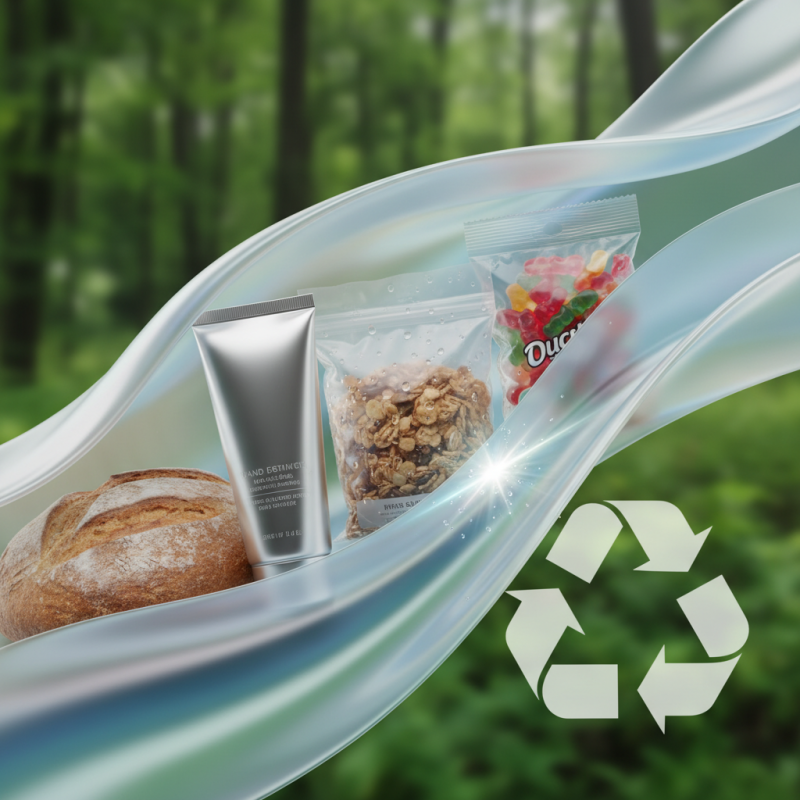
Flexible Packaging Film is revolutionizing the way products are packaged. This innovative material offers various benefits, making it essential in today's market. Its versatility allows for a wide range of applications, from food items to personal care products.
These films are lightweight yet durable. They provide excellent barrier properties against moisture and oxygen, which helps maintain product freshness. Aesthetic design is also enhanced through flexible packaging, attracting consumers' attention. Yet, the environmental impact of this material is a growing concern.
Recycling and sustainability are critical issues for the industry. While Flexible Packaging Film is convenient, companies must strive for more eco-friendly solutions. It is vital to balance consumer needs and environmental responsibilities. This adds complexity to packaging design and production. The journey of flexible packaging is still evolving, with room for improvement in sustainable practices.
Definition of Flexible Packaging Film and Its Characteristics
Flexible packaging film is a versatile material widely used in various industries. It is generally defined as any packaging made of flexible materials that can be molded to fit the product. This type of film is gaining popularity for its lightweight nature and ease of storage. According to a recent market report, the global flexible packaging market is expected to reach $300 billion by 2026, reflecting a compound annual growth rate of over 4% from 2021.
One of its key characteristics is its barrier properties. Flexible packaging films can protect products from moisture, oxygen, and light, making them ideal for food, pharmaceuticals, and consumer goods. Additionally, they often require less material for production, which contributes to sustainability by minimizing waste. However, it is essential to choose the right type of film for specific applications. Not all films provide the same level of protection.
Tip: Always check the film’s specifications like thickness and barrier properties when selecting for different products.
Another noticeable feature is flexibility in design. Flexible films can be easily printed on and shaped into various forms, catering to creative brand strategies. However, the production of these films sometimes falls short in recycling options. Many films are not easily recycled, which poses environmental concerns. Manufacturers must reflect on the environmental impact of their products.
Tip: Consider sustainable alternatives or innovative recycling methods when using flexible films.
Importance of Flexible Packaging Film
Types of Materials Used in Flexible Packaging Films
Flexible packaging films play a crucial role in various industries. They provide both protection and convenience. The materials used in these films significantly impact their performance. Common materials include polyethylene, polypropylene, and polyester. Each has unique properties that cater to different needs.
Polyethylene is versatile and cost-effective. It offers excellent moisture barriers, making it ideal for food packaging. It can seal easily and resist chemicals. However, it may not be as durable as other materials. Polypropylene provides better resistance to heat and can be used in microwaveable applications. It's a popular choice for snack packaging. Still, it can be slightly more expensive.
Polyester, known for its strength and clarity, is often used in high-quality printing applications. It is recyclable, which is increasingly important as sustainability becomes a priority. According to a report by the Flexible Packaging Association, the flexible packaging market is expected to grow by 4.6% annually. This growth indicates the necessity for innovation in materials. However, the challenge remains in balancing cost and performance, sparking ongoing discussions in the industry.
Benefits of Flexible Packaging Film in Various Industries
Flexible packaging film plays a crucial role across multiple industries. Its adaptability makes it a favorite among manufacturers. According to industry reports, the global flexible packaging market is expected to reach $450 billion by 2025. This growth is driven by increased consumer demand for sustainable solutions and convenience.
In the food sector, flexible packaging extends shelf life. This helps reduce food waste significantly. A study found that packaging improvements could cut food spoilage by up to 30%. This not only saves money but also benefits the environment. Meanwhile, the pharmaceutical industry relies on flexible films for drug safety. These materials can protect products from moisture and contamination.
Despite its advantages, challenges exist. Not all flexible films are recyclable. This poses a dilemma as consumers push for greener options. Companies must rethink their packaging strategies to balance performance and sustainability. Some are investing in biodegradable materials, but the transition is slow. The industry must continue to innovate and improve.
Environmental Impact of Flexible Packaging and Sustainability Efforts
Flexible packaging plays a significant role in today's market. However, its environmental impact raises concerns. A report by the Flexible Packaging Association states that flexible packaging uses 30% less material than rigid alternatives. Still, the end-of-life disposal of these materials poses challenges.
Plastic waste is a critical issue. According to the Ellen MacArthur Foundation, only 14% of plastic packaging is recycled globally. The majority ends up in landfills or oceans, harming wildlife. Many consumers are unaware of how to recycle flexible packaging correctly. This confusion can lead to increased waste.
Tips for consumers include checking local recycling guidelines. Some flexible films can be recycled at designated drop-off points. It’s crucial to look for symbols indicating recyclability. Brands are working on sustainable alternatives. Research shows that 70% of consumers prefer eco-friendly options. Yet, the shift to sustainable materials is still slow.
Creating awareness is important. Education about proper disposal can lead to better recycling rates. The industry must also find new ways to reduce waste. Developing biodegradable options is one path forward. Sustainability requires collective effort from both brands and consumers. It’s a complex issue, but every small action counts.
What is Flexible Packaging Film and Why is it Important?
| Dimension | Description | Importance |
| Material Types | Polyethylene (PE), Polypropylene (PP), BOPP, PET | Diverse materials allow for tailored properties for different applications. |
| Barrier Properties | Impermeable to moisture, oxygen, and light | Protects product integrity, extends shelf life, reducing food waste. |
| Sustainability Efforts | Recyclable films, reduced material usage | Enhances environmental impact, reduces carbon footprint. |
| Market Growth | Expanding in food, beverage, and consumer goods sectors | Rising demand for convenient and sustainable packaging solutions. |
| Environmental Impact | Potential for reducing waste through lightweight design | Can optimize transport efficiency and lower the carbon footprint. |
Future Trends in Flexible Packaging Film Technology and Innovation
Flexible packaging film plays a crucial role in various industries. It adapts to different shapes and sizes, proving essential for efficiency and product protection. Future trends indicate a shift towards sustainable materials. Biodegradable options are gaining traction. This is not just a trend but a necessity for environmental responsibility.
Innovations focus on enhancing durability and reducing waste. Smart packaging technologies are emerging. These films can provide real-time data about the product inside. This means fresher food and less spoilage.
Tip: Consider the environmental impact of packaging. Choose products with sustainable flexible packaging. Small shifts in purchasing can lead to big changes.
Manufacturers face challenges in balancing cost and innovation. Developing new materials often requires time and investment. Sometimes, the most advanced films may not be economically viable. Continuous reflection on production processes is needed to improve sustainability and efficiency.