Call for Price: 0086-15515573212
In the competitive landscape of modern packaging, selecting the right Carton Packing Machine is crucial for businesses aiming to enhance efficiency and reduce costs. According to a recent report by Smithers Pira, the global packaging machinery market is expected to grow by 3.2% annually, reaching a value of nearly $47 billion by 2024. This growth is largely driven by the increasing demand for automated packaging solutions, which enable companies to streamline their operations and adapt to fluctuating market needs.
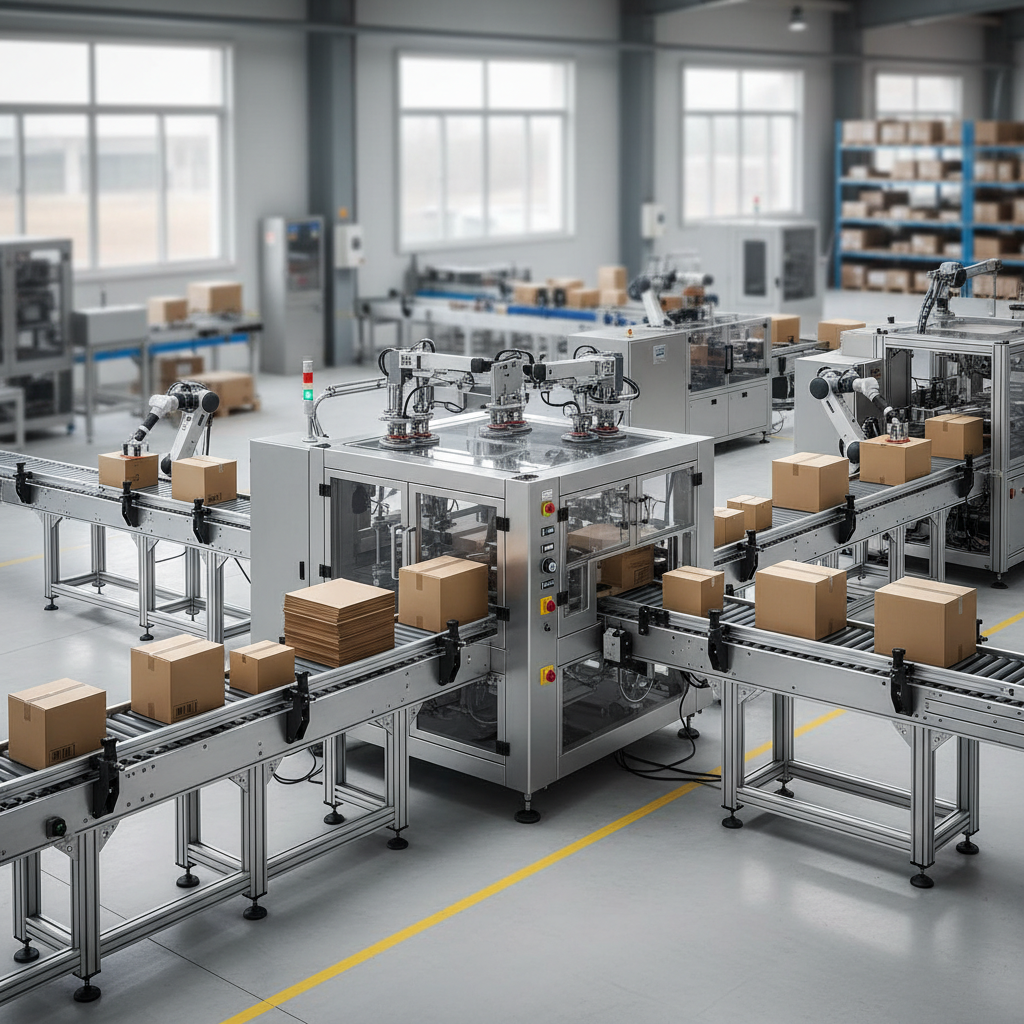
The choice of a Carton Packing Machine hinges on various factors, including production volume, packaging material, and product dimensions. An appropriate machine can significantly influence a company's overall productivity and product integrity, thereby impacting customer satisfaction and brand reputation. As noted in the 2022 Packaging Machinery Report, 64% of industry leaders emphasized the importance of investing in advanced packing technology to meet the evolving demands of consumers and regulatory standards. Thus, understanding the essential aspects of choosing the right Carton Packing Machine is vital for businesses striving to maintain a competitive edge in the packaging industry.
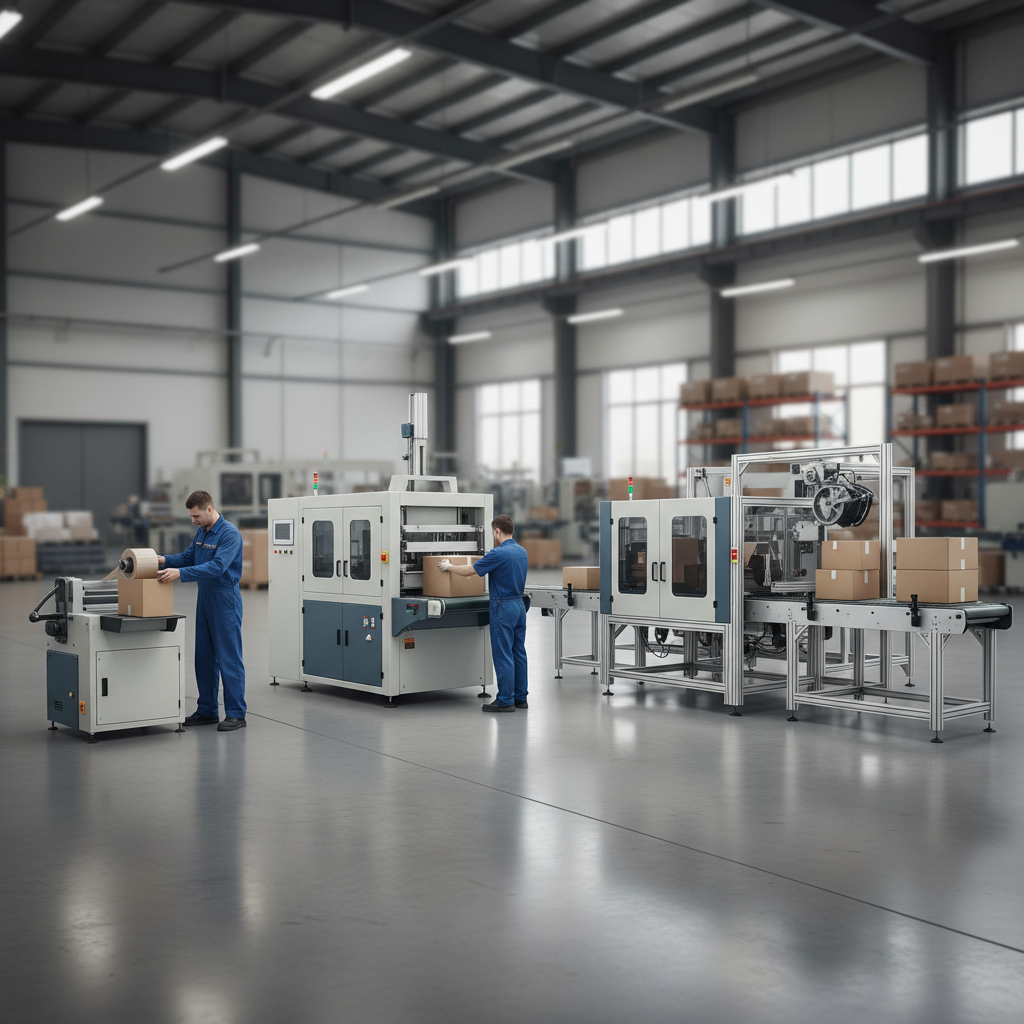
When selecting a carton packing machine for your business in 2025, it is essential to understand the different types available in the market. The primary categories include manual, semi-automatic, and automatic machines, each catering to varying production needs and operational scales. Manual machines are often suitable for small businesses or specific packaging tasks, providing flexibility but requiring more labor. In contrast, semi-automatic machines strike a balance between efficiency and cost, allowing for higher output with some degree of human intervention.
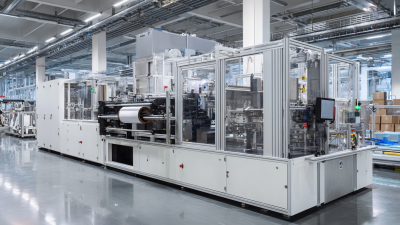
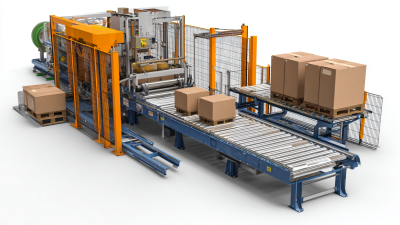
Automatic carton packing machines represent the forefront of technology, designed to maximize productivity with minimal human involvement. These machines are ideal for large-scale operations, capable of handling varying sizes and types of cartons. As the packaging industry continues to evolve, factors such as technology advancements and sustainability practices, particularly in response to regulations against single-use plastics, will influence the choice of machinery. Understanding these dynamics is crucial for businesses looking to invest in a packing solution that not only meets current demands but also aligns with future industry trends.
When selecting a carton packing machine for your business, evaluating key industry metrics such as speed and efficiency is vital. These metrics not only influence productivity but also impact operational costs and overall profitability. In the current landscape, automatic carton erectors have gained prominence, with the market projected to grow at a CAGR of 4.6%. This growth highlights the increasing demand for machines that can perform tasks swiftly while maintaining high efficiency, essential for staying competitive.
Moreover, the corrugated box making machine market is experiencing significant expansion, with expectations of reaching USD 3.36 billion by 2033. This trend underscores the necessity for businesses to adopt machines that not only meet their current packaging needs but also anticipate future demands. Understanding the nuances of various machine types—manual, semi-automatic, and automatic—allows companies to make informed decisions tailored to their operational goals. By focusing on these critical metrics, businesses can optimize their packaging processes, enhancing efficiency and contributing to long-term success in the marketplace.
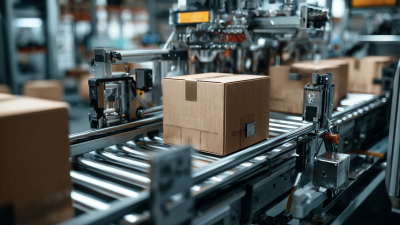
In the modern business landscape, the importance of automation in carton packing processes cannot be overstated. Automated packing machines streamline operations, reduce labor costs, and enhance overall efficiency. By minimizing the physical demands on workers, businesses can allocate resources more effectively and increase productivity. With automation, companies can also ensure consistency in packing, which is crucial for maintaining product integrity and meeting customer expectations.
When choosing the right carton packing machine, it's essential to consider how these machines can integrate automation into your operations. First, assess the volume of products you'll be packing; higher demand may necessitate more advanced machines capable of handling increased throughput. Additionally, look for machines that offer flexibility, allowing adjustment for different carton sizes and shapes. This adaptability can save time and costs in the long run.
Moreover, don’t overlook the importance of technology in your decision-making process. Opt for machines equipped with smart features that facilitate easy monitoring and troubleshooting. This can provide real-time insights into packing efficiency and help identify areas for improvement, creating a more streamlined workflow. Ultimately, investing in the right automated packing machine can significantly impact your business's operational success and customer satisfaction.
When considering the acquisition of a carton packing machine, businesses must weigh the cost implications of short-term versus long-term investments. Short-term investments often involve lower initial costs, making them appealing for startups or companies operating on tight budgets. However, these machines may lack the durability and efficiency required for high-volume production, leading to increased operational costs over time due to maintenance, repairs, and the need for more frequent replacements.
In contrast, while long-term investments in higher-quality packing machinery may strain budgets at the outset, they often pay off significantly in the long run. Such machines typically offer enhanced automation, lower energy consumption, and higher throughput. This results in decreased labor costs and fewer interruptions in the production cycle, ultimately contributing to a more sustainable and profitable operation. Industries that prioritize longevity and efficiency usually find that investing in robust packing machinery not only meets their current needs but also positions them for future growth.
As sustainability becomes an increasingly critical focus for businesses worldwide, evaluating green packaging solutions in carton packing is essential for 2025 and beyond. Companies are under pressure to minimize their environmental impact, and adopting sustainable packaging practices can enhance brand reputation while meeting consumer demand for eco-friendly products. Transitioning to recyclable or biodegradable materials not only helps reduce waste but also aligns businesses with global sustainability trends.
Incorporating innovative carton packing machines can further support these initiatives by improving efficiency and reducing resource consumption. Technologies that optimize material usage and facilitate the use of eco-friendly materials are gaining prominence. Moreover, businesses should consider automation and digital solutions that streamline packing processes while maintaining environmental standards. By prioritizing sustainability in carton packing, companies can position themselves as leaders in their industries and contribute to a more sustainable future.
| Dimension | Value |
|---|---|
| Machine Speed | 250-300 cartons/hour |
| Power Consumption | 2-4 kW |
| Typical Carton Size | 300 x 300 x 300 mm |
| Material Compatibility | Recycled cardboard, biodegradable films |
| Automation Level | Semi-automatic to Fully automatic |
| Average Cost | $15,000 - $50,000 |
| Sustainability Feature | Uses eco-friendly materials, energy-efficient |
| Maintenance Frequency | Every 6 months |
| Replacement Parts Availability | High availability |
| User Training Requirement | Basic training provided |