Call for Price: 0086-15515573212
Choosing the right Sealed Bags is essential for various purposes. Whether you need them for food storage, travel, or organization, understanding your needs is crucial. Sealed bags are designed to keep contents fresh and secure. Their design varies significantly, impacting usability and effectiveness.
Different materials and sizes are available. A thicker bag may offer greater durability, while lighter options are more portable. You may also encounter resealable and vacuum-sealed options, each with unique advantages. Consider your specific requirements to find the best fit. Balancing quality and cost is often a challenge, prompting reflection on value versus necessity.
As you explore options, remember that not all sealed bags are created equal. Some may not provide the airtight seal you expect. Reading user reviews and expert insights can help. This process can be confusing, revealing both clarity and complexity in your choices. Take the time to evaluate what suits you best for reliability and lasting performance.
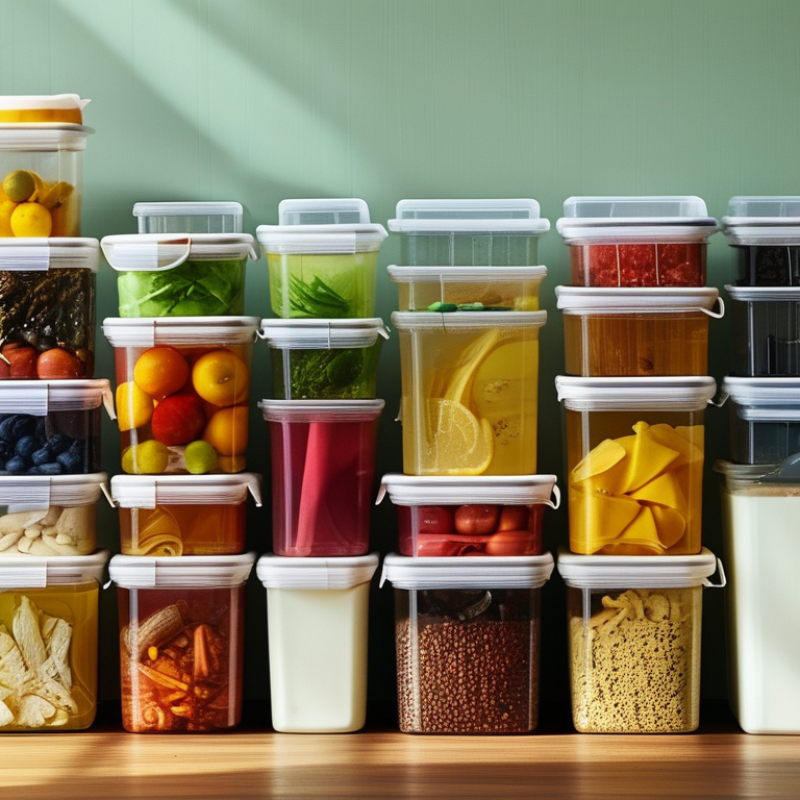
Sealed bags are versatile storage solutions used in various industries. Understanding the different types of sealed bags can help you choose the right ones for your needs. Vacuum-sealed bags are popular for food preservation. They remove air, preventing spoilage and freezer burn. These bags are great for marinating meats or storing leftovers.
Another type is resealable bags. These are easy to use and come with a closure that can be opened and closed multiple times. They're perfect for snacks or small items. Some people overlook their strength; not all resealable bags offer the same durability. It's important to consider thickness and materials.
You might also encounter barrier bags, designed to keep moisture and odors out. They're often used for items like spices or herbs. However, one aspect to reflect on is that not all barrier bags are created equal. Testing them is crucial for ensuring they meet your specific needs. Evaluating options helps avoid waste and saves you money in the long run.
| Bag Type | Material | Uses | Seal Type | Durability |
|---|---|---|---|---|
| Plastic Sealed Bags | Polyethylene | Food storage, Snacks, Small items | Heat Sealed | Moderate |
| Mylar Bags | Metalized Polyester | Long-term food storage, Electronics | Vacuum Sealed | High |
| Vacuum Bags | Nylon/Polyethylene | Food preservation, Seasoning | Heat Sealed | Very High |
| Biodegradable Bags | PLA (Polylactic Acid) | Eco-friendly packaging, Food service | Heat Sealed | Moderate |
| Ziplock Bags | Polyethylene | Storing snacks, Clothing | Zipper Seal | Low |
When evaluating material options for sealed bags, it’s crucial to consider your specific needs. Different materials have distinct properties that influence their effectiveness. For instance, polyethylene is a common choice for food packaging. It is lightweight, flexible, and resistant to moisture. However, it may not offer the best oxygen barrier compared to other materials.
Another strong contender is foil, which provides an excellent barrier to light, moisture, and air. This makes it ideal for long-term storage, particularly for sensitive items. Of course, foil can be more expensive and less environmentally friendly than plastic options. It’s essential to weigh these trade-offs based on your needs.
Consideration of biodegradable options is also growing. These materials can break down more easily in the environment. Yet, their durability and effectiveness may vary. Therefore, testing different materials could lead to better choices. It’s worth assessing both the benefits and limitations of each material to find the best sealed bag for your intended purpose.
When selecting sealed bags, size and capacity are crucial factors. Consider what you will store. Whether it’s food, documents, or other items, understanding the volume you need is vital. A bag too small will lead to frustration. A bag too large may waste space.
Think about the dimensions of your items. For instance, bulky items require larger bags. Yet, if you’re dealing with small parts, a compact size is better. Measure your items before making a decision. This helps avoid mismatches. Visualizing your storage needs can also clarify things. Will a gallon-sized bag suffice, or do you need multiple smaller bags?
Capacity matters as well. What weight can the bag handle? If it’s for snacks or lightweight items, a basic bag could work. However, heavy or sharp objects require sturdy seals. Check the strength of the material. A flimsy bag could fail when needed most. Sometimes, it’s a good idea to buy a mix of sizes. Reflect on past experiences where inappropriate sizes caused issues. This ensures you are better prepared next time.
When selecting sealed bags, understanding different seal mechanisms is crucial. Zipper seals are popular for their ease of use. They are simple to open and close, making them suitable for a variety of items. However, they may not be as effective at keeping air out as other options. Users should consider the specific needs before choosing this type.
Heat seals offer a tighter closure. This method fuses the bag’s edges together, providing a robust seal. It's great for longer storage times, especially for food items. Yet, the sealing process can be tricky. Incorrect heat settings can lead to weak seals, which compromise freshness. Patience and practice are key.
Some bags utilize a vacuum-sealing method. This technique removes air and prevents spoilage. While it is effective, it requires specialized equipment. Not everyone may have access to such devices for occasional use. Weighing the pros and cons is essential to ensuring the best choice for individual needs.
When selecting sealed bags, functionality is key. Look for bags with robust seals to ensure freshness. Consider the material; thicker plastics may provide better durability. Always check dimensions as well. Too small, and your items won’t fit. Too large, and they may not seal correctly.
Vacuum-sealed options offer enhanced preservation. These bags remove air, which can help prevent spoilage. However, make sure your vacuum machine is compatible with the bags you choose. Resealable closures also add convenience. They allow for easy access but can sometimes wear out quickly.
It’s beneficial to assess your specific needs. Organizing, freezing, or food storage requires different features. Do you need transparency to see contents? Or extra strength for heavy items? Reflect on your usage patterns. This thought can lead you to a more suitable choice. Experimenting with different types can uncover what works best for you.