Call for Price: 0086-15515573212

How to Choose the Best Flat Bottom Pouch for Your Products?

Choosing the right packaging for your products is crucial. A Flat Bottom Pouch can enhance shelf presence and protect your items. This packaging style stands out on retail shelves, attracting customers with its sturdy design.

When selecting a Flat Bottom Pouch, consider your product's unique needs. What size should it be? Is your product heavy, or does it require a resealable feature? These details matter. Properly understanding your product specifications can help you make informed decisions.

While many options exist, not all Flat Bottom Pouches deliver quality. Some may compromise durability for aesthetics. Reflecting on your choices and their impact on customer experience is essential. Quality packaging influences perception and can even enhance product value. Make careful selections to ensure reliability and appeal in your packaging strategy.
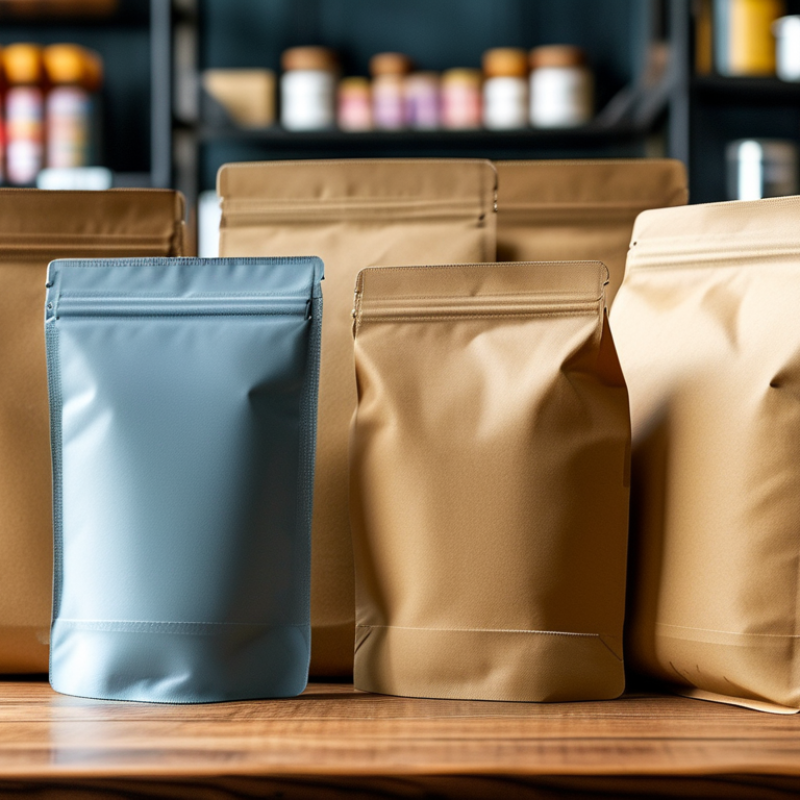
How to Choose the Best Flat Bottom Pouch for Your Products?

Understanding Flat Bottom Pouches and Their Benefits

Flat bottom pouches are increasingly popular in the packaging industry. They offer unique benefits for various products. These pouches stand upright, providing excellent shelf visibility. This feature enhances display and attracts consumers. According to recent industry reports, 40% of consumers prefer products in stand-up pouches due to convenience.

Their design allows for easy filling and uses less material compared to traditional containers. Studies show that flat bottom pouches often reduce packaging waste by 30%. This efficiency benefits companies looking to minimize their environmental footprint. The durability of these pouches also protects products from damage, giving an added layer of reliability.

**Tip:** When selecting a flat bottom pouch, consider the material carefully. Choose options that align with your product's needs. Testing pouches for compatibility and durability is crucial.

Another aspect to reflect on is closure types. Zipper features can enhance reusability, appealing to eco-conscious consumers. Keep in mind that not all materials are created equal. Regularly evaluating your pouch choices can prevent costly mistakes.

Popularity of Flat Bottom Pouches by Material Type

Identifying Your Product Requirements for Packaging

When selecting the best flat bottom pouch for your products, understanding your packaging requirements is crucial. A recent report from Smithers highlighted that the flexible packaging market is expected to reach $300 billion by 2025. This emphasizes the need for businesses to invest in effective and innovative packaging solutions.

Consider your product type and its shelf life. For instance, food items often require pouches with barrier properties to protect against moisture and oxygen. The right material can extend shelf life by 30% to 50%, according to industry studies. If your product is sensitive to light, choosing opaque pouches can be beneficial. This attention to detail is significant for maintaining product integrity.

Another aspect to think about is the pouch size and design. A study indicated that 44% of consumers are influenced by packaging design in their purchasing decisions. Consider the shape, capacity, and usability of the pouch. If it’s not convenient or attractive, consumer interest may wane. Reflect on these aspects, as neglecting them could affect your market reach significantly. Understanding these elements can lead to better product outcomes.

Key Materials Used in Flat Bottom Pouch Manufacturing

When selecting flat bottom pouches, the materials play a crucial role. Common materials include polyethylene, nylon, and aluminum foil. Each offers distinct advantages. For example, polyethylene is lightweight and cost-effective, ideal for many consumer products. Nylon provides excellent barrier properties, enhancing shelf life. Aluminum foil offers superior protection against moisture, light, and oxygen, making it suitable for perishable goods.

According to industry reports, the global flexible packaging market was valued at around $250 billion in 2021 and is expected to grow significantly. This growth is driven by the increased consumer demand for sustainable packaging solutions. Eco-friendly materials are becoming essential. Biodegradable options are gaining popularity, aligning with modern environmental standards. Despite the benefits, challenges exist. Sourcing sustainable materials can be more expensive, impacting small manufacturers. Understanding the trade-offs is important for effective decision-making in pouch selection.

Several manufacturers are adopting advanced printing techniques to enhance product visibility. This aspect adds to the complexity of material selection. Balancing aesthetic appeal with functionality is not easy. Companies must consider consumer preferences for clarity and design. Data reveals that 70% of consumers are influenced by packaging design. Therefore, choosing the right materials is not just about protection; it relates to brand perception too.

Evaluating Size and Design Options for Effective Display

Choosing the right size and design for a flat bottom pouch is crucial for product visibility. Studies show that packaging can influence a consumer's decision by up to 70%. Selecting appropriate dimensions ensures your product stands out on crowded shelves. Consider the actual space your product occupies, including any additional features like resealable zippers or tear notches. An ideal pouch should be large enough to hold the product securely while offering enough surface area for branding.

Design plays an equally significant role. Use bold colors and clear fonts to attract attention. Research indicates that 64% of consumers experience a visual disconnect if the packaging does not match their expectations. Customization allows for unique shapes that could enhance your product's perceived value. Engaging graphics can enhance storytelling, making your product more relatable. Recognize that while creativity is essential, it should not compromise functionality. Assessing the pouch's functionality versus aesthetic is vital; a beautiful design that tears easily can lead to product loss.

Invest time in researching material options. Sustainability has become an industry standard, with 45% of consumers choosing eco-friendly packaging. However, not all materials are equally effective for display. The right combination of size, design, and material elevates your product above others. It’s worth experimenting with various prototypes to find the best fit for your vision. Keep in mind that a poor selection can impact shelf life. Evaluate and adjust your approach continuously.

How to Choose the Best Flat Bottom Pouch for Your Products? - Evaluating Size and Design Options for Effective Display

Pouch Size (Width x Height) Capacity (grams) Material Closure Type Suitable For
5 x 8 inches 100 Kraft paper Zipper Snacks
6 x 10 inches 250 Plastic Tear notch Coffee
8 x 12 inches 500 Aluminum foil Heat seal Pet food
7 x 11 inches 300 Biodegradable Velcro Organic products
10 x 15 inches 1000 Polyester Resealable Bulk goods

Cost Considerations and Supplier Selection Strategies

When selecting a flat bottom pouch for your products, cost considerations are crucial. Price can significantly influence the choice of materials and design. Lower costs may lead to subpar quality. Higher prices don't always guarantee superior reliability either. It's essential to consider the balance between price and quality. Cheap options might save money upfront but could result in increased returns from customers dissatisfied with the packaging.

Supplier selection strategies also play a key role. Look for suppliers with a solid reputation in the industry. Reliable suppliers understand market demands and provide insights into evolving trends. Although some suppliers appear more affordable, their hidden costs may emerge later. Evaluate potential suppliers by checking their previous work. Analyze customer reviews and request samples. This process allows you to assess the craftsmanship and overall quality firsthand.

Remember, a good supplier will offer flexibility and consistency. Communication is vital in this relationship. If a supplier is slow to respond or unclear about their capabilities, it can lead to frustration. Ultimately, your chosen pouch packaging should reflect your brand’s quality while staying within budget constraints. Each element deserves thoughtful consideration.