Call for Price: 0086-15515573212

How to Choose the Best Drawstring Trash Bag in 2026?

Choosing the best Drawstring Trash Bag in 2026 requires more than comparing package prices. A cheap bag can split beside a full kitchen bin. A strong bag can still waste space if its dimensions are wrong. The right choice depends on daily use, rubbish weight, moisture, and storage conditions. Small details matter.

This guide examines bag capacity, film thickness, drawstring strength, leak resistance, and odor control. It also considers recycled content and responsible packaging claims. A practical test is simple. Fill the bag with ordinary household waste, lift it slowly, and check the seams. Pull the drawstring several times. If it cuts into the plastic, the closure needs improvement. That detail is easy to miss.

Comfort matters too. A smooth drawstring should close the bag without awkward twisting. The opening should fold over the bin rim evenly. For wet waste, a reliable bottom seal is essential. Kitchen users may need thicker material, while bedroom bins often need less. Bigger is not always better.

No bag is perfect.

This article compares common features through a practical, evidence-based lens. Product specifications should be checked against real performance, not marketing language alone. Independent reviews, clear material information, and consistent manufacturing records can improve confidence. Still, household needs differ, and one recommendation may not suit every reader. Our selection approach recognizes that limitation. The goal is not to choose the most expensive option. It is to identify a dependable Drawstring Trash Bag that fits the bin, handles its intended load, and creates less frustration during everyday disposal.
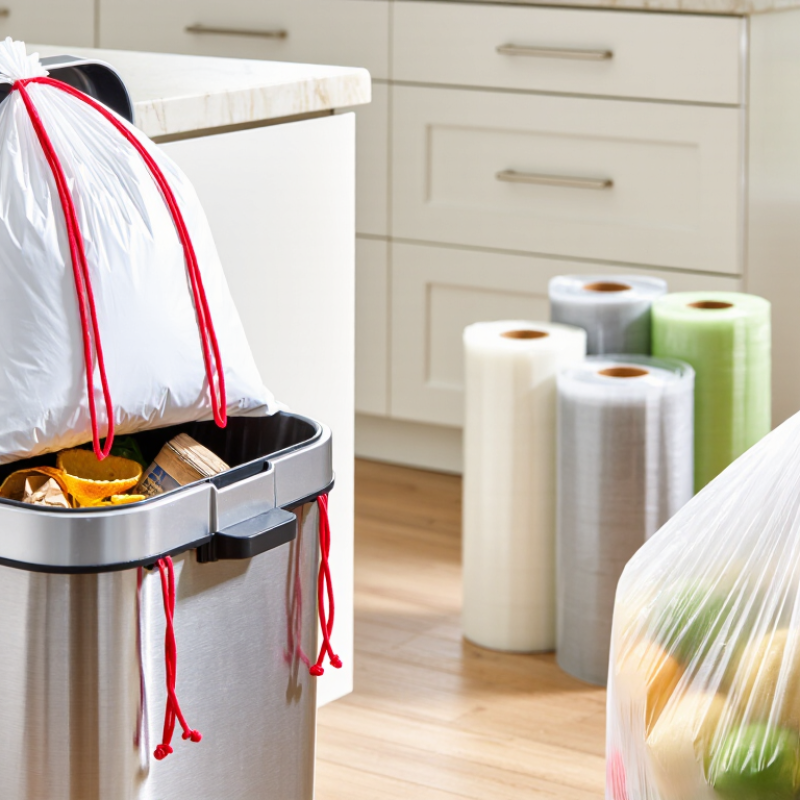
How to Choose the Best Drawstring Trash Bag in 2026?

Define Your Trash-Care Needs and Bag Capacity

How to Choose the Best Drawstring Trash Bag in 2026?

Choosing the right drawstring trash bag starts with your daily trash-care needs. A small bathroom may need a 4-gallon bag, while a busy kitchen often requires 13 gallons or more. Check the bin’s height, rim width, and interior shape before buying. A bag that fits poorly can slip, tear, or leave waste exposed.

Think about what you usually throw away. Dry paper and packaging need less protection than wet food scraps or heavy cleaning waste. For damp contents, choose thicker plastic and a secure drawstring closure.

In my experience, measuring the bin is more reliable than guessing from the listed capacity. My first estimate was too small.

Consider how often you empty the bin. Daily disposal may suit a smaller bag, even when the container is large. Less frequent disposal requires extra capacity and stronger seams. Leave several inches of material above the rim for tying. Do not overfill it. That habit causes many avoidable leaks.

I still occasionally choose convenience over a careful fit, especially during busy weeks. The better choice depends on your space, waste weight, and disposal routine, not just the bag’s size.

Compare Materials, Thickness, and Leak Resistance

How to Choose the Best Drawstring Trash Bag in 2026?

Material affects how a drawstring trash bag handles weight, moisture, and sharp edges. Low-density polyethylene usually feels flexible and stretches around bulky waste. High-density polyethylene is thinner and crisp, but it can tear when overloaded. Recycled content may reduce environmental impact, yet quality varies between products. Check the package details, not only the eco-friendly wording.

Thickness matters more than appearance. A bag marked with a higher micron or mil rating generally offers better puncture resistance. For a kitchen bin, medium thickness may handle food scraps and damp paper. Heavy-duty bags suit pet litter, garden clippings, or rough packaging. I once trusted a thick-looking bag with wet coffee grounds, and the bottom still split. The lesson was simple: thickness cannot correct poor construction.

Leak resistance depends on the seal, material, and load. Look for reinforced seams and a strong bottom seal. Place absorbent paper beneath wet waste when possible. Do not drag a full bag across concrete. That small habit prevents many failures. I test bags by adding water gradually, then lifting them by the drawstrings. This is useful, but not perfect, because real waste creates uneven pressure. A reliable choice balances thickness, stretch, seam quality, and the bin’s actual use.

How to Choose the Best Drawstring Trash Bag in 2026? - Compare Materials, Thickness, and Leak Resistance

Material Typical Thickness Stretch and Load Handling Puncture Resistance Leak Resistance Best Use Selection Notes
HDPE
High-Density Polyethylene
0.35–0.75 mil
(9–19 microns)
Low to moderate stretch; performs well with lightweight, evenly distributed waste. Low to moderate; sharp edges can puncture thinner film. Moderate
Good when the liner is intact and properly sealed.
Dry office waste, paper, packaging, and light household rubbish. Choose a thicker version for heavier loads. HDPE is generally stiff and makes a crinkly sound.
LDPE
Low-Density Polyethylene
0.75–2.5 mil
(19–64 microns)
High stretch and flexibility; absorbs movement and uneven loads better than HDPE. Moderate to high, especially at medium and heavy gauges. High
Strong choice for wet waste when seams and closures are well formed.
Kitchen waste, bathroom waste, food packaging, and mixed household rubbish. A practical all-purpose option. Thicker LDPE offers better resistance to tearing and punctures.
Recycled Polyethylene Blend 0.75–2.0 mil
(19–51 microns)
Moderate to high stretch, depending on recycled content and film formulation. Moderate; performance can vary more between products than with virgin resin. Moderate to high
Depends heavily on film thickness, seal quality, and recycled content.
General household waste and routine indoor use. Check the stated thickness and load guidance rather than relying only on recycled-content claims.
Compostable Film
Plant-Based or Certified Compostable Formulations
0.8–1.5 mil
(20–38 microns)
Moderate flexibility; may become weaker when exposed to prolonged heat or moisture. Low to moderate; generally less tolerant of sharp or heavy waste than thick LDPE. Moderate
Suitable for short-term wet waste when used within its intended conditions.
Food-scrap collection and approved composting programs. Compostability depends on local facilities and certification. Do not assume it is suitable for plastic recycling.
Heavy-Duty Multi-Layer Polyethylene 1.5–3.0 mil
(38–76 microns)
High stretch and strong load distribution; designed for bulky or irregular contents. High, particularly when multiple layers combine flexible and tough film properties. Very high
Best option in this comparison for wet, heavy, or sharp-edged waste.
Heavy household waste, renovation debris, yard waste, and commercial applications. Higher thickness improves protection but usually increases material use, storage space, and cost.
Buying Guide: For dry and lightweight waste, a 0.35–0.75 mil HDPE bag is often sufficient. For mixed or wet household waste, choose LDPE or a polyethylene blend at approximately 0.75–1.5 mil. For sharp, heavy, or highly irregular waste, select a 1.5 mil or thicker multi-layer polyethylene bag. Leak resistance depends on more than film thickness: inspect the bottom seal, side seams, drawstring attachment, bag dimensions, and stated load capacity.
Thickness reference: 1 mil equals 0.001 inch and is approximately 25.4 microns. The ranges shown are typical purchasing guidelines, not universal specifications; actual performance varies by film formulation, manufacturing quality, bag size, and waste type.

Evaluate Drawstring Design, Fit, and Ease of Use

How to Choose the Best Drawstring Trash Bag in 2026?

Evaluate Drawstring Design, Fit, and Ease of Use

When I test a drawstring trash bag, I pull the cord with one hand while holding a full liner steady. A smooth, reinforced drawstring should tighten without tearing the rim. The closure needs enough length to tie securely, but excessive slack can drag across the floor. That detail is easy to miss. Some cords feel strong during testing yet loosen overnight.

Measure the bin’s height, rim width, and usable capacity before choosing a size. A liner that barely covers the rim may slip when food scraps or wet towels add weight. A slightly taller bag gives you room to gather and lift the opening. Do not rely on gallon labels alone; manufacturers calculate capacity differently. I once selected a bag by volume and found its narrow opening frustrating. My choice was imperfect.

Look for a cleanly cut opening and a cord that remains easy to grip with damp fingers. The bag should open without fighting static or thin plastic folds. For kitchens, thicker material can reduce leaks, but it may also make the liner harder to lift. Test one bag in the actual bin before buying a large quantity. A small trial reveals more than a package claim. Test it gently.

Check Sustainability Claims and Environmental Trade-Offs

How to Choose the Best Drawstring Trash Bag in 2026?

A sustainable drawstring trash bag needs more than green wording on its package. Check the recycled content percentage, material source, and independent certification. Vague claims such as “eco-friendly” prove very little. A reliable manufacturer should explain how its evidence was measured. Look for clear information about thickness, capacity, and intended waste type. These details affect real-world performance and environmental impact.

I test bags at home with food scraps, cardboard edges, and damp packaging. A thin bag may use less plastic, but one tear can create double waste. That trade-off matters. Strong drawstrings also prevent spills during collection, especially when the bag is carried down wet stairs. However, “compostable” does not mean it belongs in a backyard compost pile. Many such bags require commercial facilities, which may not exist locally. Check your waste provider’s accepted materials before buying.

Recycled plastic can reduce demand for new resources, yet it still remains plastic after disposal. Compostable materials may need more specialized processing. Neither option is perfect. I once chose a thinner bag to reduce material use, then needed two bags for one overloaded bin. That result changed my view. The better choice balances verified content, suitable strength, local disposal systems, and actual household habits. Small details matter.

Balance Product Quality, Pack Size, and Overall Value

How to Choose the Best Drawstring Trash Bag in 2026?

Balance Product Quality, Pack Size, and Overall Value

When I test a drawstring trash bag, I check the bottom seam before judging its price. A strong seam should hold wet food scraps without stretching or leaking. The drawstring also needs to pull smoothly, even with a full liner. Thin plastic may look economical, but one split bag can double the cleanup. I once chose a cheaper pack for a busy kitchen. It tore near the rim on the second day.

Pack size changes the real cost. Count how many bags your household uses each week, then compare the pack with that rhythm. A 100-bag box is not a bargain if it creates storage problems. Smaller packs suit occasional users and reduce clutter. Larger packs help busy homes, offices, and shared spaces. Still, oversized bags may waste material in a small bin.

Check capacity, thickness, closure strength, and leak resistance together. A 13-gallon liner should fit the can without excessive slack. Extra slack can catch on corners and pull the rim downward. Look for clear specifications rather than vague claims. Recycled content may matter, but performance should remain measurable. Value includes fewer replacements, cleaner hands, and reliable disposal during a rushed morning. My buying notes are imperfect; usage changes with guests, pets, and seasonal cooking. I review the choice after several weeks, not after one convenient test.