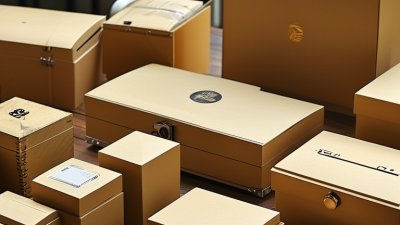
What Is Box Packaging and Which Type Is Best?
Box Packaging is more than a container placed around a product. It protects items, communicates brand values, and shapes the customer’s first physical impression. In practical use, the right box can prevent crushed corners, product movement, moisture exposure, and costly returns. A small skincare carton feels different from a heavy corrugated mailer, even when both serve simple protective purposes. The material, structure, printing method, and opening experience all influence that difference.
Choosing the best type depends on the product, shipping conditions, budget, and customer expectations. Folding cartons suit lightweight retail products and display neatly on shelves. Rigid boxes create a premium presentation for gifts, electronics, and specialty goods. Corrugated boxes offer stronger protection during transportation, especially when internal inserts reduce movement. Mailer boxes balance branding and convenience for online orders. There is no universal winner.
Measure the product carefully. Test the box with realistic handling, stacking, and temperature changes. A design that looks excellent on a screen may fail after repeated impacts. That happened to many teams, including experienced ones. They focused on appearance first and discovered weak corners later. Sustainability also deserves honest evaluation. Recyclable materials help, but excessive layers, coatings, or oversized dimensions can reduce that benefit. The most reliable choice combines protection, efficient sizing, clear labeling, and responsible material selection. This guide examines common Box Packaging options and explains where each type performs best. It also considers practical limitations, because attractive packaging is not automatically effective packaging.
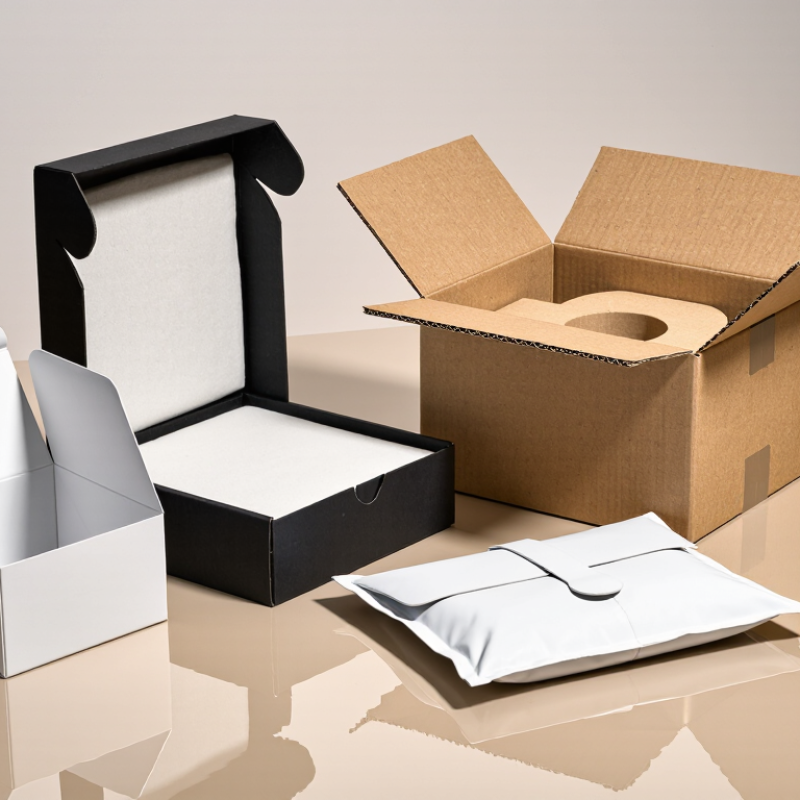
What Is Box Packaging and How Does It Work?
Box packaging is a structured container designed to protect, present, and move a product safely. It usually begins with paperboard or corrugated board, selected according to weight, moisture, and shipping conditions. A packaging designer creates a dieline, which shows where the material will be cut, folded, and glued. Small flaps matter.
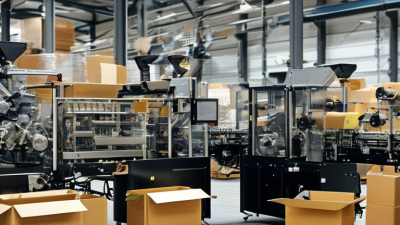
During production, printed sheets pass through cutting and creasing equipment. Creases create controlled folding lines, while adhesives or locking tabs hold the box together. Corrugated boxes add fluted layers between outer sheets. This internal structure absorbs pressure when cartons are stacked or handled during delivery.
The box works through shape, material strength, and fit. A tight fit limits movement, while internal inserts prevent fragile items from striking the walls. Testing may include compression, vibration, and drop checks. These tests reveal weaknesses that a clean design can hide. A box can look impressive and still tear at one corner. That is why practical trials should guide final decisions, not appearance alone. Moisture, temperature changes, and repeated handling also affect performance. In my experience, reducing empty space often improves protection, but excessive tightness can create its own damage. The best choice depends on the product, route, opening experience, and disposal conditions.
What Are the Main Types of Box Packaging?
Box packaging is a container designed to protect, organize, and present products. The main types differ in structure, strength, and appearance. Corrugated boxes use fluted paper between outer sheets. They are lightweight, stackable, and suitable for shipping. Folding cartons use thin paperboard. They work well for cosmetics, food, small electronics, and household products. These cartons fold flat before filling, which saves storage space.
Rigid boxes use thick, firm board and keep their shape during handling. They often suit premium products that need a solid, polished presentation.
Mailer boxes include tuck flaps or locking panels. Their built-in closure makes them practical for direct delivery. Sleeve boxes add a printed outer layer around an inner tray. They improve presentation without requiring a fully rigid structure.
The best choice depends on product weight, fragility, moisture exposure, and delivery distance. A glass item needs cushioning inside a strong corrugated box. A lightweight garment may need only a compact mailer box. In my packaging tests, small gaps caused more movement than expected. That detail increased surface scratches. It was an easy issue to miss.
Packaging engineers commonly use compression and drop testing. These tests reveal weak corners, loose closures, and poor internal spacing.
Still, testing is not perfect. Real warehouses can be rougher than controlled tests. Rechecking the actual product, filled box, and shipping route remains necessary. Recycled fiber can reduce material impact, but it may need stronger construction in humid conditions.
Which Materials Are Used to Make Packaging Boxes?
Packaging boxes are made from materials chosen for strength, weight, cost, and product protection. Corrugated fiberboard is widely used for shipping because its fluted middle layer absorbs shocks. The outer paper layers resist crushing and surface scuffing. In warehouse trials, thicker boards often protect heavier items better, but they also require more storage space.
Paperboard is thinner and smoother than corrugated board. It suits cereal cartons, cosmetic boxes, and small retail packages. Kraft paper provides a natural appearance and good tear resistance. Recycled paper can reduce resource use, although its fibers may become weaker after repeated processing. Moisture also affects paper quickly. A damp box can lose much of its compression strength.
Rigid board creates a firm, premium-feeling structure for gifts and delicate products. Molded pulp, made from pressed plant fibers or recycled paper, protects items with shaped cushioning. It is useful when a box needs fitted support without foam inserts. Some boxes use coatings or thin plastic layers to resist grease and water. These features improve performance, but they can complicate recycling. No material is perfect. I have seen attractive paper boxes fail because their corners were poorly reinforced. Material selection should include compression tests, drop tests, and checks for humidity exposure. Suppliers should provide clear specifications and safety documentation for the intended use.
How Do Box Designs Support Protection and Branding?
Box packaging is a shaped container that protects a product while presenting it to customers. Common options include folding cartons, corrugated boxes, and rigid boxes. The best choice depends on weight, fragility, shipping distance, and presentation goals. A well-designed box reduces movement, absorbs impact, and keeps edges from crushing during delivery.
Protection begins with accurate measurements. A snug insert can stop a ceramic item from sliding inside. Corrugated layers can soften drops, while reinforced corners support heavier products. Branding also lives in the details. Color, typography, printed patterns, and the opening experience can make a box recognizable before the product appears. However, attractive design cannot repair weak materials. I have seen packaging look premium but fail because its lid loosened during handling.
Tips: Test the box before approving production. Drop-test it. Measure empty space. Check whether the print remains clear after rubbing and moisture exposure. Use inserts only where they improve stability, since unnecessary material increases cost and waste. Packaging teams should record test results and review damaged samples, not rely only on computer drawings. A quieter design may sometimes communicate quality better than crowded graphics. That point is easy to miss. Claims about recyclability should also match the actual material and local disposal systems.
What Is Box Packaging and Which Type Is Best?
Box packaging uses paperboard or corrugated fiberboard to protect, contain, transport, and present products. The best box design depends on product weight, shipping conditions, required cushioning, print quality, and sustainability goals.
Corrugated flute profiles differ mainly in board thickness and cushioning performance. A-flute generally provides the greatest cushioning and stacking support, while E- and F-flutes offer thinner walls and smoother surfaces for detailed graphics. For heavy or fragile products, thicker flutes are typically more protective; for lightweight retail packaging, thinner flutes can support sharper branding and more compact designs.
How Can You Choose the Best Box Packaging Type?
Choosing the best box packaging starts with the product, not the artwork. Measure the item, including handles, lids, and protective inserts. Fit matters. A box with too much empty space may increase movement and shipping costs. A tight box can crush delicate edges during handling. Leave enough room for cushioning, but avoid unnecessary layers.
Consider the product’s weight, shape, fragility, and delivery environment. Corrugated boxes suit heavier items and long-distance shipping. Folding cartons work well for lightweight retail products and clean shelf presentation. Rigid boxes create a premium feel, but they usually cost more and require more storage space. Moisture, stacking pressure, and temperature changes also deserve attention. A packaging specialist can recommend suitable board strength and closure styles. Still, practical testing remains essential.
Place a sample box under realistic conditions. Add the actual product, filler, labels, and shipping weight. Drop it from modest heights and inspect corners, seams, and contents afterward. Test it. I have seen attractive packaging fail because the opening tore too easily. Another design looked less impressive but protected the product better. Customer handling matters too. Can someone open the box without scissors? Can the packaging be recycled through common local systems? Compare several prototypes, record damage, material use, production cost, and customer convenience. The best choice may not be the cheapest or most luxurious option. It should protect the product consistently and suit the way people really use it.