Call for Price: 0086-15515573212

What Is the Best Food Packing Machine to Buy?

Choosing a Food Packing Machine is not just a matter of finding the fastest model. The right choice depends on the product, package, production volume, and available workspace. A machine that suits dry grains may not handle sticky sauces or delicate baked goods well. Details matter.

This guide explains the main machine types and the practical questions buyers should ask before comparing prices. It considers filling accuracy, sealing quality, changeover time, cleaning access, and the availability of spare parts. For example, a small producer packing several pouch sizes may value quick adjustments more than maximum speed. A busy line may need reliable output and service support. Neither needs the same setup.

Specifications deserve careful review. Rated speed can differ from actual output when staff load materials, change rolls, or clear jams. Ask suppliers how performance is measured, what products were tested, and which packaging materials are compatible. Request a demonstration using a product similar to yours, and confirm cleaning and maintenance steps in writing. These checks help make comparisons more dependable.

There is no universal best machine. Budget, training, utilities, and future growth can change the answer. Some buyers may also underestimate setup time; that is an easy mistake to make. The following sections offer a clear framework for matching machine features to real production needs, while noting trade-offs and questions worth resolving before purchase.
What Is the Best Food Packing Machine to Buy?

What Food Packaging Machines Do and How They Work

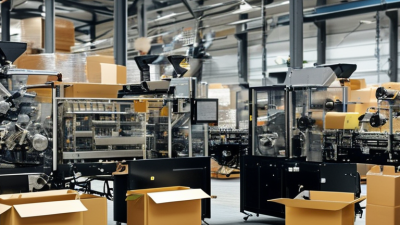
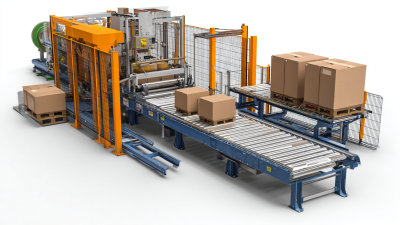
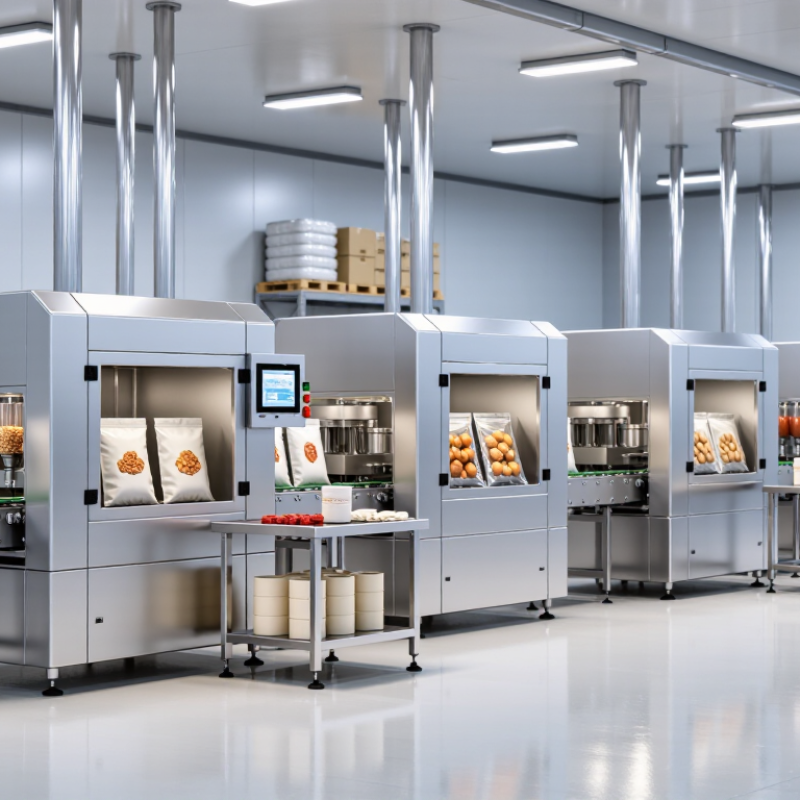
Food packaging machines prepare containers, measure portions, fill packs, and seal them for storage or transport. A typical line moves food from a hopper or conveyor into bags, trays, bottles, or cartons. Sensors and controls help regulate timing and portion size, while operators monitor the process and remove faulty packs.

In a form-fill-seal system, film is shaped into a pouch, filled, then closed with heat or pressure. Other machines wrap products, vacuum-seal packs, or place lids on trays. The right method depends on the food: powder can spill, sticky sauces cling to surfaces, and delicate produce may bruise under pressure. That sounds simple. It isn’t always.

When comparing machines, match their speed and portion range to your actual production needs, not just a sales estimate. Check whether food-contact parts are accessible for cleaning and whether changeovers are practical for different products. Ask for a trial using your food and packaging material. Watch for uneven seals, spilled product, or slow adjustments. A machine can look efficient in a demonstration yet struggle during a real shift. Record cleaning time, rejected packs, and operator workload during testing; those details often reveal more than a headline speed.
Common Machine Types and Packaging Formats

What Is the Best Food Packing Machine to Buy?

Common Machine Types and Packaging Formats

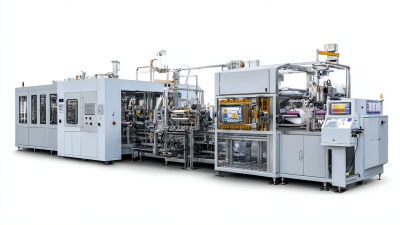
The best machine depends on the food’s shape, moisture, and required shelf life. Vertical form-fill-seal machines turn rollstock into bags for grains, powders, and snacks. Horizontal flow wrappers suit bars, baked goods, and other solid portions. Tray sealers handle ready meals, while vacuum machines remove air from suitable products. Different formats need different film, seals, and product handling. A crumbly snack can jam a line designed for neat, uniform pieces.

Packaging machinery is a substantial industry: PMMI’s 2023 State of the Industry report estimated U.S. packaging machinery shipments at $10.9 billion in 2022, up 8.5% from 2021. That figure signals a broad equipment market, not proof that a faster machine is the right fit. Compare output at your actual product weight, check changeover time, and test seals using the packaging material you plan to buy. Small details matter. A pouch that looks sealed may still leak.

Tips: Bring real product samples to machine trials. Ask operators to run both normal and awkward batches, such as uneven pieces or fine powder. Confirm cleaning access, spare-part availability, and the cost of format changes. Speed alone can mislead. I would also leave room for uncertainty: early production tests rarely capture every shift, recipe, or seasonal variation.

How Product and Production Needs Shape Machine Selection

What Is the Best Food Packing Machine to Buy?

How Product and Production Needs Shape Machine Selection

The best machine is the one that suits the food, pack, and working day—not the one with the highest advertised speed. A sticky sauce needs different filling controls from dry grains. A fragile pastry needs gentle handling and a pack that protects its shape. Note portion size, product temperature, moisture, and how often recipes change. Small details matter.

Production volume is only part of the calculation. FAO’s 2023 report on food-loss indicators estimated that 13.2% of food was lost after harvest and before retail in 2021. That figure is not a measure of packaging-machine performance, but it shows why product protection and consistent sealing deserve attention. PMMI’s 2024 State of the Industry report also points to workforce constraints and automation as equipment-investment pressures. Consider who will load film, clear jams, and clean product-contact parts. Can one operator manage a changeover at the end of a long shift? Test the machine with your actual product and packaging materials, then record speed, waste, and changeover time. The test may be less tidy than the brochure suggests. That is useful. A line that runs slightly slower but handles real production reliably may fit better than a faster machine that struggles with frequent changeovers.

How to Compare Speed, Automation, and Total Cost

A food packing machine should be judged by saleable output, not its headline speed. Test it with your actual product, pack size, and film. Record good packs per minute, rejects, stops, and changeover time. A machine rated for 120 packs per minute may deliver far less during a real shift.

PMMI’s 2023 State of the Industry report valued U.S. packaging machinery shipments at $10.9 billion in 2022, up 8.45% year over year. That signals a growing market, not proof that a faster machine will pay back. Count changeovers. Note how many operators must load film, clear jams, and inspect seals. Automation helps most when it removes a real bottleneck, rather than adding controls your team rarely uses.

Compare total cost across the same period, such as five years. Include installation, tooling, spare parts, training, utilities, maintenance, and downtime—not just the purchase price. The U.S. Bureau of Labor Statistics reported private-industry compensation averaging $43.10 per hour in June 2024. That is a national benchmark, not your plant’s labor cost; use your actual wages and shift coverage. A spreadsheet can still mislead if it assumes perfect uptime. Ask suppliers to document test conditions, service response, and expected changeover time, then check those figures against your line.

How to Assess Safety, Compliance, and Supplier Support

A food packing machine should protect operators and keep the product handling area clean. Ask the supplier for a documented risk assessment, electrical drawings, and clear operating instructions. Check that food-contact parts have suitable material documentation for your product and cleaning process. Inspect guards, interlocks, and emergency stops in person; they should be accessible and work as described. During a site visit, watch an operator clear a jam and clean the machine. Paperwork matters. Make sure documents match the exact model and configuration being quoted. Confirm applicable requirements with a qualified local specialist, since rules and interpretations vary by market.

Supplier support is part of the safety decision, not an afterthought. Get expected response times, commissioning details, training scope, and service terms in writing. Ask which spare parts are stocked locally and how quickly routine wear parts can be shipped. Test it live. Run a witnessed trial with your actual packaging material and product, then note jams, seal quality, changeover time, and cleaning access. These details can expose issues a polished demonstration may miss. I would not assume every small concern is a deal-breaker, though; some adjustments are normal. The important part is seeing how the supplier records problems, explains fixes, and follows through.