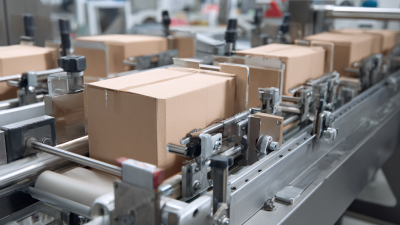
Choosing a Packing Machine for an international operation starts with the product, not the machine catalogue. A dry powder, a fragile pastry, and a bottle need different feeding, filling, and sealing methods. Vertical form-fill-seal machines can suit powders and loose products, while horizontal flow wrappers handle items that need a neat, individual pack. Cartoners, case packers, and palletizing systems support later stages of the line. Small details matter.
Buyers should compare output speed with real production needs, rather than relying on a headline figure. Film width, pack dimensions, changeover time, cleaning access, and operator training all affect daily performance. Ask suppliers to demonstrate the machine with your product and packaging materials. Observe whether seals remain consistent and whether adjustments are straightforward. These checks offer more useful evidence than a brochure alone.
Global purchasing also calls for practical questions about voltage, language support, spare parts, installation, and after-sales service. Confirm that the machine can meet applicable packaging and safety requirements in the destination market, and request clear technical documentation. A low purchase price may not mean a lower operating cost. There is no universal winner. Specifications can look convincing, yet a line may still struggle with a product’s texture or frequent format changes. That uncertainty deserves attention. The sections ahead compare common machine types and explain where each may fit, so buyers can shortlist options with clearer expectations.
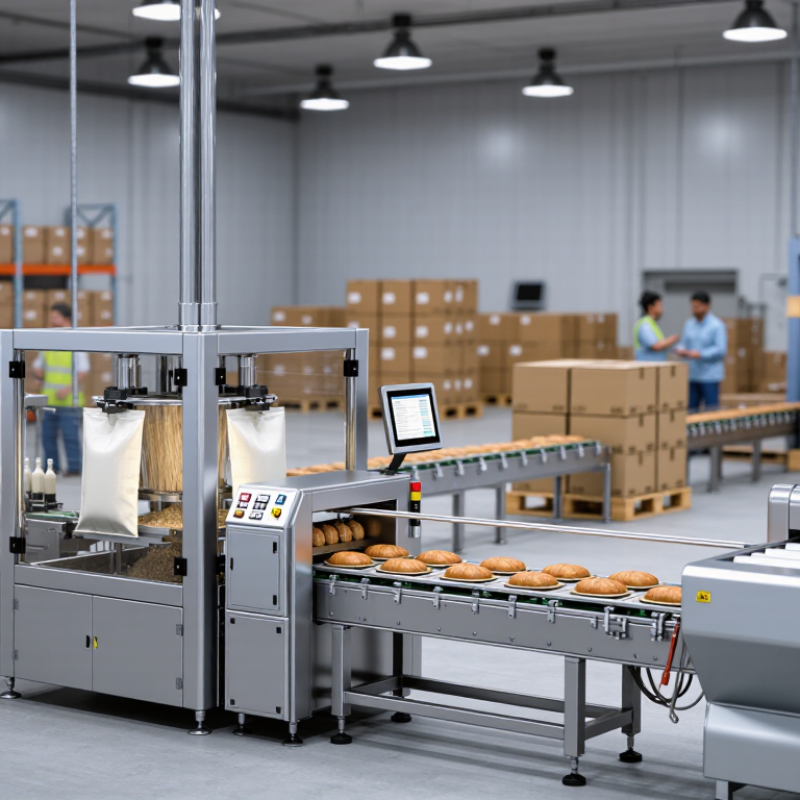
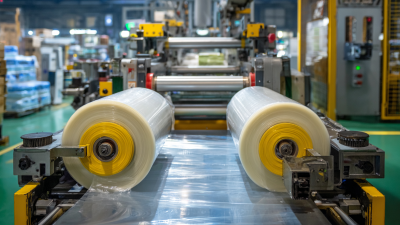
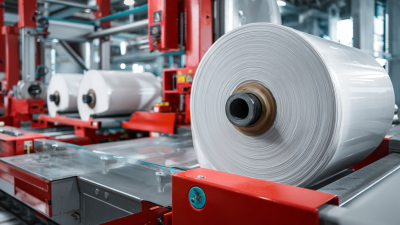
Primary packaging machines shape a package, add the product, and close it in a controlled sequence. Their settings affect fill accuracy, seal quality, and how smoothly a line runs. On a vertical form-fill-seal machine, film unwinds from a roll, forms a tube, and receives measured portions through a filling tube. Heated jaws then seal the package. Horizontal flow wrappers instead feed products onto film, wrap them, and close the edges and ends. Small details matter.
The filling method should match the product. Auger fillers handle many powders, while piston or pump systems suit many liquids. Granules may use multihead weighers for portioning. These are starting points, not guarantees: particle size, viscosity, temperature, and product fragility can change performance. Operators should check actual fill weights and inspect seals during setup and production. A seal must stay closed through handling, not merely look smooth.
Changeovers expose practical weaknesses. A film roll that tracks poorly, a misaligned forming collar, or residue near a sealing jaw can cause wrinkles, leaks, and downtime. Still, faster output is not always better if it makes inspection harder. One useful question is how easily the machine can be cleaned, adjusted, and restarted by the people who will operate it. Test with the intended product and packaging material where possible; sample runs reveal issues that a specification sheet may miss.
| Machine type | Package format | How it forms, fills, and seals | Common products | Buyer considerations |
|---|---|---|---|---|
| Vertical form-fill-seal (VFFS) | Pillow bags, gusseted bags, and some block-bottom bags | Rollstock film is formed into a tube around a forming collar. The machine makes a longitudinal seal, doses product into the tube, then makes transverse seals and cuts individual packs. | Snacks, grains, powders, frozen foods, and other free-flowing products | Match the dosing system to product behavior: for example, weighers for many solids and auger fillers for many powders. Check film compatibility and seal requirements. |
| Horizontal form-fill-seal (HFFS) pouch machine | Flat or stand-up pouches, depending on machine design | Flexible packaging material is shaped and sealed into a pouch, the product is dosed through an open section, and the remaining opening is sealed. Some configurations add a zipper or fitment. | Sauces, personal-care products, snacks, and granular or powdered goods | Confirm pouch style, filling method, product viscosity, and whether the line must handle features such as zippers, spouts, or modified-atmosphere packaging. |
| Horizontal flow wrapper | Pillow-style flow wrap around individual products or groups | Film is wrapped around products moving along a conveyor. The machine forms a longitudinal fin or lap seal and seals the two ends; the product itself is typically placed into the film rather than dosed into a newly formed pouch. | Bakery items, confectionery, bars, soap, and assembled products | Assess product spacing, infeed method, product orientation, film type, and the required seal quality. Fragile or irregular products may need specialized feeding and handling. |
| Thermoform-fill-seal (TFFS) | Thermoformed trays, cups, or compartmented packs with a lidding web | A forming web is heated and shaped in a mold, then product is loaded into the cavities. A lidding web is applied and sealed; vacuum or gas flushing may be used when specified for the product and pack. | Fresh meat, cheese, ready meals, and medical products | Specify cavity dimensions, forming material, barrier needs, loading method, and whether vacuum or gas flushing is required. Tooling and material selection affect pack design. |
| Pre-made pouch filling and sealing machine | Supplied flat-bottom, stand-up, or other pre-formed pouches | The machine picks and opens an already-made pouch, fills it, and seals its top. It does not form the pouch from rollstock; optional stations may apply a zipper, fitment, or other closure. | Coffee, pet food, powders, snacks, and liquid or semi-liquid foods | Check pouch dimensions and opening behavior, filling accuracy, changeover needs, and compatibility with pouch materials and closures. |
| Stick-pack and sachet machine | Narrow stick packs or small flat sachets, often made from rollstock | Film is formed into one or more narrow lanes or small pouches. Each lane is filled with a measured dose, sealed along the edges and ends, and cut into individual packs. | Sugar, instant beverages, seasonings, gels, and single-use powders | Select the lane count and dosing technology for the product and target pack size. Fine powders and liquids require suitable feeding, filling, and sealing controls. |
| Cup filling and sealing machine | Pre-formed cups or tubs with a foil or film lid | The machine places or indexes cups, dispenses product, applies a lid, and heat-seals it to the cup rim. Depending on the design, cups may be supplied pre-formed or produced by a separate forming section. | Yogurt, desserts, dips, sauces, and portioned foods | Confirm cup and lid material compatibility, fill temperature, product dosing method, hygiene requirements, and whether denesting or in-line cup forming is needed. |
| Bottle filling and capping line | Bottles or other rigid containers with caps or closures | Containers are conveyed to a filling station, dosed by a suitable filling system, and closed with a cap or other closure. The line usually fills supplied containers rather than forming them. | Beverages, oils, household liquids, and personal-care products | Choose filling technology according to viscosity, foaming, container shape, and dose. Check closure type, sanitation needs, and integration with labeling or inspection equipment. |
Machine configuration, materials, and packaging performance depend on the product, package design, and applicable food-contact or industry requirements.